Explore our high-performance components engineered to original equipment manufacturer (OEM) tolerances. From precision electronics to heavy-duty mechanical linkages, we support global fleet operations.
Analysing the critical demand, engineering specifications, and supply dynamics of the light electric vehicle (LEV) sector.
The global golf cart and light electric vehicle (LEV) industry has experienced a significant paradigm shift. Once restricted solely to manicured fairways, utility vehicles are now ubiquitous in airport hubs, sprawling resort complexes, gated residential neighborhoods, and high-security industrial estates. Among these, the Yamaha Drive (G29) and its direct successors occupy a massive segment of the operational fleets worldwide. Consequently, high-quality OEM Yamaha Drive Windshield assemblies have transitioned from simple add-on accessories to critical structural and safety items. Fleet managers prioritize optical clarity, impact resistance, and weather stabilization when sourcing these windshield components.
From a commercial perspective, windshield performance directly dictates operational uptime. Low-grade aftermarket alternatives lack proper UV inhibitors, resulting in rapid yellowing, haze propagation, and embrittlement under intense sunlight. In public transit, municipal, or industrial environments, windshield failures present liability risks and increase maintenance overheads. Selecting a certified factory that manufactures parts conforming to strict mechanical and optical regulations (such as ANSI Z26.1 and CE certifications) ensures longevity, reduces total cost of ownership (TCO), and maintains the safety profiles of active fleets.
A comparative analysis of industrial polymers utilized in Yamaha Drive windshield manufacturing.
When selecting windshield assemblies, global procurement agents typically specify material properties based on targeted application conditions. The two dominant polymers utilized in our production lines are Impact-Modified Acrylic (PMMA) and Polycarbonate (PC). Each offers unique physical characteristics designed for specific environmental challenges.
| Physical Property | Standard Acrylic | Impact-Modified Acrylic (High-Grade) | Polycarbonate (Lexan/Makrolon) |
|---|---|---|---|
| Impact Resistance | Baseline (Fragile under high velocity) | 10x - 15x of standard glass | 250x of standard glass (Virtually unbreakable) |
| Scratch Resistance | Excellent natural hardness | Good (Highly resistant to micro-abrasions) | Moderate (Requires specialized hard-coating) |
| Optical Clarity (Light Trans.) | ~92% | ~90% | ~89% (Highly clear) |
| UV Resistance / Lifespan | Naturally UV resistant (10+ years) | Enhanced with UV additives (8+ years) | Requires co-extruded UV layer (5-8 years) |
| Primary Application | General fairways & light residential | Commercial fleets, rental fleets, resorts | Industrial zones, construction sites, heavy utility |
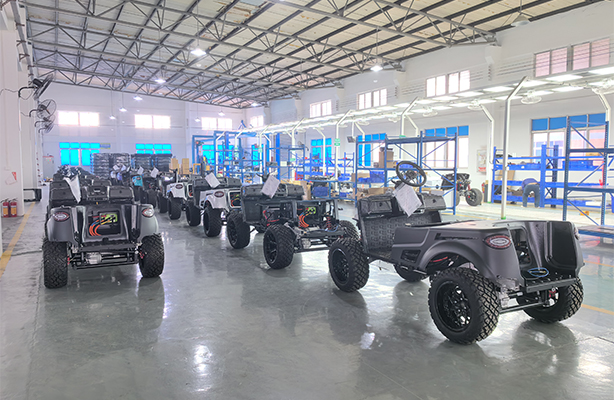
Our factory processes rely on advanced automated systems to ensure perfect mechanical fits. The manufacturing process begins with high-grade, optical-quality extruded sheets. These sheets undergo precise thermal drape forming over custom-molded tooling designed specifically for the contours of the Yamaha Drive (G29) front cowl structure. Every edge, mounting hole, and hinge channel is processed via multi-axis CNC routers. This removes manual inconsistencies, leaving micro-chamfered, smooth edges that resist propagation of stress cracks over years of vibration.
"The difference between standard utility windshields and true OEM-grade units lies in dimensional control. A deviation of just 2mm along the hinge line can cause uneven compression on the polyurethane living hinge, leading to premature tearing and water ingress during adverse weather." — XXCART Lead Design Engineer
Scale, expertise, and integrated supply chains deliver unparalleled cost-efficiency and product quality.
At XXCART, we integrate the engineering advantages of major players like E-Z-GO, Club Car, and Yamaha while developing proprietary advancements in materials and design. Our premium body panels and windshield structures utilize automotive-grade polypropylene and impact-modified polycarbonate, ensuring high durability, fashion, and beauty.
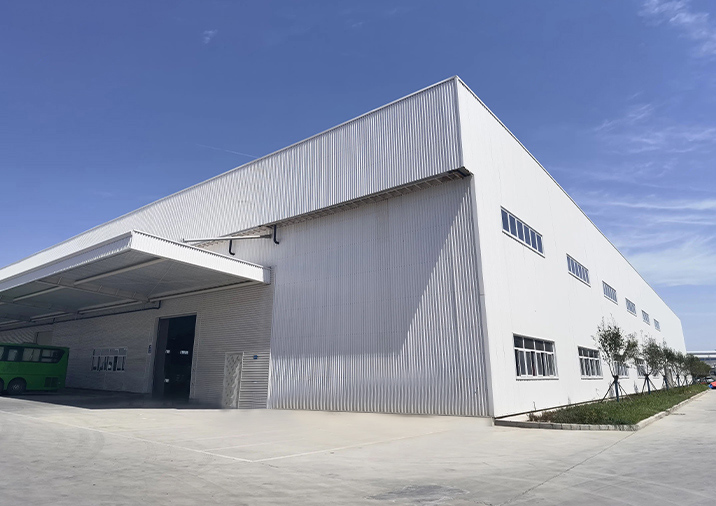
Operating out of our 50,000㎡ industrial complex, we control the tooling, forming, and quality assurance processes end-to-end. This allows us to supply functional parts that equal or exceed the performance of OEM replacement components at a highly competitive price point. Our rigorous before-sale and after-sale service protocols guarantee that global buyers receive consistent support, including engineering consultations to solve complex field challenges.
Optimizing windshield performance across diverse geographical environments and industrial use cases.
A standard windshield design cannot satisfy all environmental conditions. For instance, a vehicle operating in a coastal resort in Florida or the Maldives faces high humidity, extreme UV levels, and corrosive salt air. Conversely, a vehicle running in a manufacturing warehouse in Germany or a gated community in Sweden requires impact resilience and cold-weather thermal stability to prevent cracking.
The convergence of polymer chemistry and intelligent design in utility fleet optics.
As golf carts integrate more technology, the demands on windshields continue to evolve. In this section, we examine the primary technical trends that are shaping the future of industrial windshield production.
Standard polycarbonate is highly impact-resistant but prone to surface scratches. To address this, high-end commercial applications now utilize dual-sided polysiloxane hard-coats. This chemical modification increases surface hardness close to that of glass, allowing windshields to withstand repeated cleaning, abrasive sand, and dusty environments without losing clarity.
To improve visibility in wet climates, manufacturers are incorporating hydrophobic additives during the extrusion process. Rainwater beads and runs off quickly, reducing water spots and maintaining visual clarity for operators during heavy downpours. This is particularly valuable for resort fleets, municipal service vehicles, and agricultural applications.
Sustainable sourcing is becoming a priority for global enterprise buyers. Major corporations want recycled and recyclable materials in their vehicles. At XXCART, we are testing closed-loop recycling systems where old PMMA windshields can be reprocessed into utility components, helping our customers meet their environmental targets.
How fleet managers and distributors optimize their sourcing strategy to maximize long-term savings.
For large-scale buyers, looking only at the initial purchase price can lead to hidden costs. Choosing cheap aftermarket alternatives often results in frequent replacements, shipping fees, and vehicle downtime. A strategic B2B sourcing model focuses on Total Cost of Ownership (TCO), which factors in product lifespan, installation time, and shipping efficiency.
Our factory works closely with global distributors to optimize container space, ensuring parts are safely packed to prevent damage during transport. Each windshield is protected by custom-formulated PE protective film and packaged in heavy-duty double-wall corrugated cartons. By offering mixed-container options (combining windshields, motors, battery systems, and suspension components), we help our clients lower their shipping costs and manage inventory levels effectively.
Addressing the technical, logistics, and material concerns of enterprise sourcing professionals.
Ensure your vehicles run smoothly with our factory-direct replacement parts, designed to match OEM standards for performance and reliability.
 XXCART