The global low-speed electric vehicle (LSEV) landscape is undergoing a structural transformation. Once confined primarily to golf courses, modern golf carts and utility transport vehicles are widely deployed in commercial resorts, planned residential master communities, airports, logistics hubs, and urban municipalities. As their use cases shift toward public and mixed-traffic environments, the demand for highly reliable, CE-certified replacement parts and customized OEM assemblies has surged dramatically.
For B2B procurement managers, fleet operations executives, and replacement parts distributors, sourcing reliable components is not merely a pricing negotiation—it is a mitigation of operational risk. Operating a commercial fleet requires components that conform strictly to international safety directives. Compliance with the European Union's CE markings ensures that replacement electronics, high-voltage battery modules, structural chassis components, and braking assemblies meet rigorous environmental, health, and occupational safety criteria.
At XXCART INC, we address this requirement directly. Integrating manufacturing methodologies inspired by historical leaders like EZ-GO, Club Car, and Yamaha, we deliver premium performance components that match or exceed original equipment manufacturer (OEM) benchmarks. This whitepaper analyzes the technology, quality assurance systems, and macroeconomic logistics parameters that dictate success in the global low-speed vehicle component supply chain.

XXCART is a vertically integrated developer and high-capacity manufacturer of electric golf carts and related components. Founded on the principle of engineering excellence, we operate a state-of-the-art production complex designed to accommodate large-scale OEM/ODM runs alongside bespoke customizations.
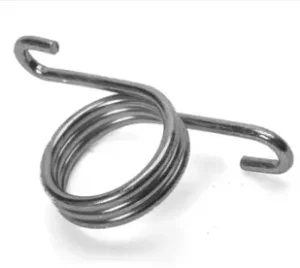
By controlling all critical stages of the manufacturing lifecycle—from initial computer-aided design (CAD) modeling and stamping tool fabrication to surface treatment and final electrical isolation testing—we eliminate the multi-tiered supplier markups that commonly inflate fleet maintenance budgets. Our internal engineering teams maintain a continuous testing loop, guaranteeing that every steering arm, potentiometer, wiring harness, and brake spring satisfies precise tolerances before leaving our facility.
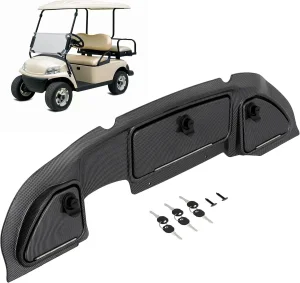
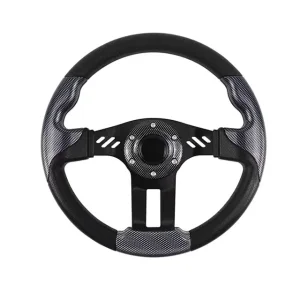
Our infrastructure is calibrated to meet the demands of international trade routes. Our structural components feature special automotive PP engineering plastics, engineered to resist UV degradation, extreme temperature shifts, and impact fracturing. With independent front suspension designs and responsive self-compensating rack-and-pinion steering systems, our mechanical parts improve vehicle handling dynamics under heavy commercial loads.
Uncertified aftermarket parts pose severe legal and financial risks to fleet operators. In the event of a component failure, using parts lacking CE compliance can invalidate liability insurance policies. XXCART eliminates this vulnerability by supplying fully documented components matching EU machinery and electrical regulations.
Many procurement networks suffer from fragmented distribution models. Sourcing mechanical links from one supplier and battery packs from another results in compatibility issues. XXCART offers a consolidated, single-source inventory encompassing electrical, mechanical, and aesthetic body panels.
Substandard components exhibit accelerated wear rates, forcing frequent replacement cycles. Buying from specialized component manufacturers like XXCART ensures your parts achieve long service lifespans, reducing overall downtime and lowering maintenance overheads.
Understanding the engineering details of high-wear golf cart components is essential for optimizing performance and safety. When choosing replacement elements, understanding the manufacturing standards of these parts prevents premature wear and reduces operational failures.
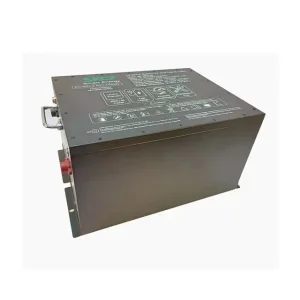
Our lithium battery packs (available in 36V, 48V, 60V, and 72V configurations with capacities up to 200Ah) incorporate smart Battery Management Systems (BMS). The BMS manages cell balancing, thermal protection, over-voltage cutoff, and short-circuit prevention. These lithium units provide higher energy density, lower weight, and longer cycle life compared to traditional lead-acid options.
Micro-potentiometers, such as our MCOR 4 conversion kits, regulate acceleration signals. Fluctuations in resistor voltage signals can cause erratic throttle responses. Our throttle controls utilize contact designs that prevent dust and moisture ingress, maintaining linear signal output and smooth speed adjustments.
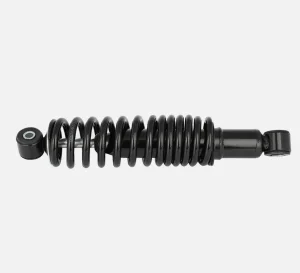
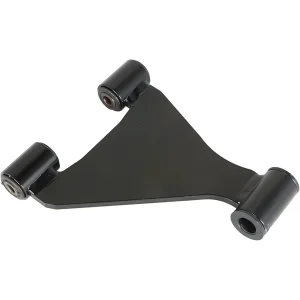
Under-chassis components face constant stress. Our replacement A-Arms and shock absorbers utilize high-tensile structural steel with corrosion-resistant powder coatings. The shock absorber seals are designed to retain damping fluid under heavy loads, ensuring stable handling on uneven terrain.
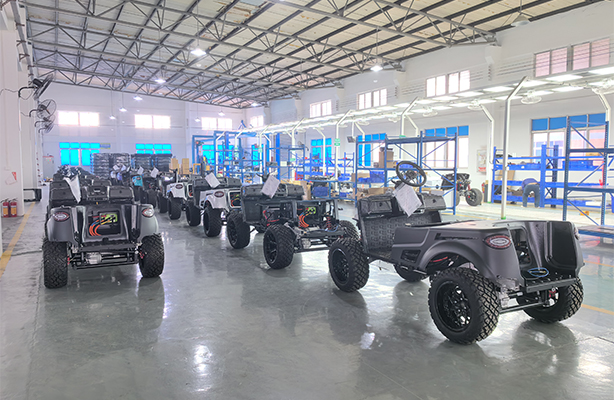
Exporting to markets in North America, Europe, Asia-Pacific, and South America requires strict adherence to regional standards. XXCART supports client networks with comprehensive engineering assistance and certified customs documentation.
Our compliance services include detailing declarations of conformity, electrical shielding verification, and structural load analysis reports. If a fleet operator encounters compatibility challenges with custom utility bodies, our engineering department can modify component specifications to resolve the issue. We provide pre-sale consulting to clarify part dimensions and post-sale technical support to ensure smooth integration into existing fleets.
We are continuously updating our components to support smarter, more efficient fleet operations. Our development roadmap focuses on integrating connected technologies, improved power systems, and durable materials.
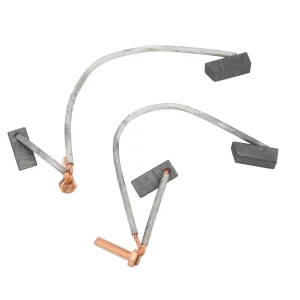
We are integrating micro-sensors directly into steering joints, motor brush holders, and battery packs. These sensors track temperature fluctuations, stress levels, and wear metrics, sending data to fleet managers to enable predictive maintenance and prevent on-site failures.
We are evaluating solid-state battery chemistry prototypes. Solid-state configurations promise faster recharge rates, wider operational temperature tolerances, and eliminate the risk of thermal runaway, making them a safe choice for heavy-duty fleet operations.
To support corporate environmental goals, we are testing automotive-grade structural polymers containing high percentages of recycled content. These materials maintain excellent impact resistance and UV durability while reducing the carbon footprint of production.
Optimize your fleet's uptime, simplify compliance procedures, and secure direct-from-factory pricing on premium replacement parts.
Send Procurement Inquiry XXCART