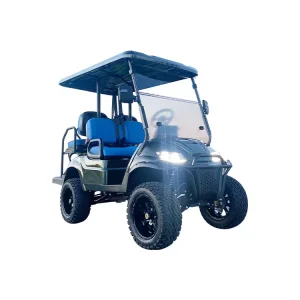
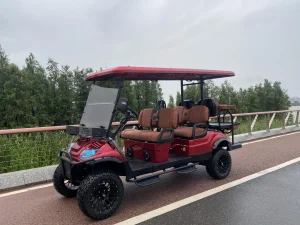
Explore our top-performing custom electric golf carts optimized for resort operation, eco-tourism, and commercial estates across Bali, Jakarta, and Nusantara.
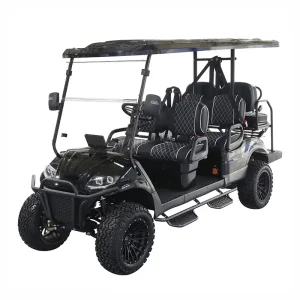
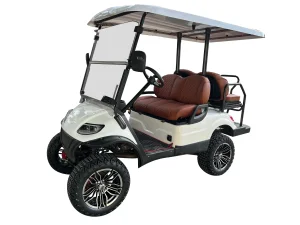
Years of Global Manufacturing Expertise
State-of-the-Art Factory Infrastructure
Countries and Regions Supplied Worldwide
An Industrial Analysis on Net-Zero Transition, Smart Infrastructure, and OEM/ODM Sourcing Ecosystems.
As Southeast Asia's largest economy, Indonesia is accelerating its commitments under the Net Zero Emission (NZE) 2060 roadmap. A core component of this green transition is the development of an integrated electric vehicle (EV) ecosystem. Driven by government-backed incentives, tax reforms, and a focus on clean-energy mobility, domestic commercial entities are rapidly electrifying their on-site operations.
In regions such as Bali, Lombok, and the emerging capital city Nusantara (IKN), low-speed electric vehicles (LSEVs)—specifically electric golf carts and multi-passenger utility buggies—have transitioned from luxury sport accessories to mission-critical logistics infrastructure. These vehicles facilitate clean, quiet, and zero-emission transportation across master-planned smart cities, private resorts, high-density residential developments, and industrial special economic zones.
“Strategic localized distribution networks, combined with heavy-duty design configurations built specifically for tropical maritime climates, represent the future of low-speed EV integration in the Indo-Pacific region.”
Procurement managers and B2B buyers must navigate several macro-environmental factors unique to the Indonesian archipelago:
Partnering with an experienced Chinese manufacturer provides unparalleled advantages in the low-speed EV space. XXCART integrates advanced automotive-grade supply chains with direct R&D capabilities. By mastering both OEM and ODM custom setups, we deliver vehicles that meet or exceed international standards like CE.
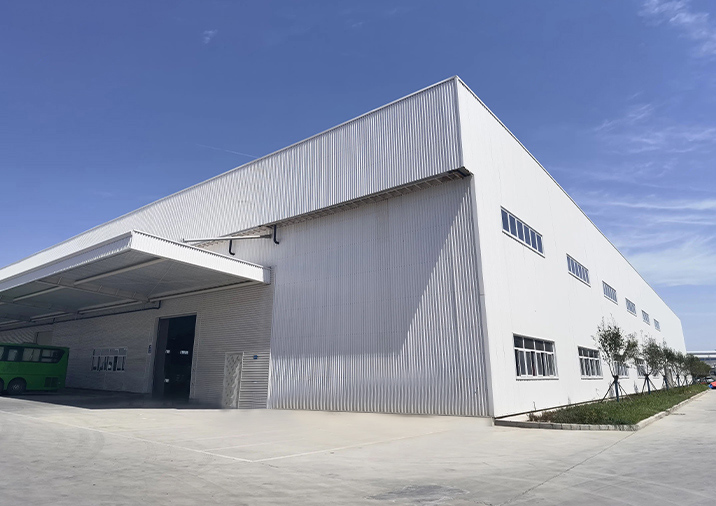
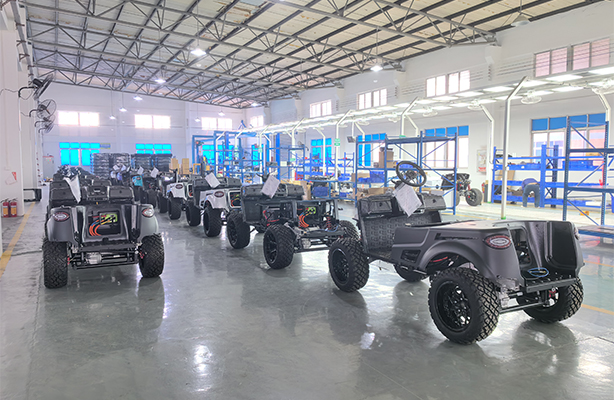
Our manufacturing facilities span over 50,000 square meters, utilizing high-precision robotic welding, high-pressure injection molding for vehicle cover parts (specialized PP engineering materials), and advanced electrophoretic anti-rust coating systems. We ensure parts compatibility with major global brands including E-Z-GO, Club Car, and Yamaha, allowing Indonesian fleets to maintain high operational uptime and simple maintenance lifecycles.
Delivering high-precision, sturdy, and reliable EV components specifically engineered for tropical, coastal, and high-intensity operating conditions.
Equipped with intelligent dashboard systems, keyless start modules, and independent suspension systems configured for smooth, reliable off-road performance.
Frames feature hot-dip galvanizing and multi-layer marine-grade coatings to withstand Indonesia's high humidity and salt-heavy coastal environments.
Integrated with high-safety Lithium Iron Phosphate (LiFePO4) battery systems and smart BMS telemetry for real-time monitoring and thermal runaway prevention.
Operating as a global OEM/ODM manufacturer, XXCART provides custom solutions for diverse commercial scenarios. Our design group is structured to adapt to strict tender requirements and technical blueprints submitted by real estate developers, hospitality groups, municipal fleets, and independent procurement consultants.
Whether configured for high passenger throughput, cargo transport, or specialized medical/security patrol setups, we ensure the structural integrity and stability of the platform. We source premium-tier accessories and replacement parts that easily match OEM standard parts, drastically reducing downstream operational maintenance overheads.
Send OEM Inquiry NowMaintain peak performance across your fleet with our high-grade OEM parts and durable off-road electric utility vehicles.
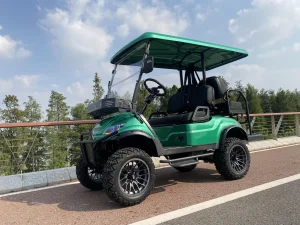
Buying electric golf carts and low-speed utility fleets from overseas manufacturers requires technical scrutiny. To ensure your fleet investment achieves its projected operational lifetime and return on investment (ROI), B2B buyers should evaluate the following hardware specifications:
Traditional steel frames degrade rapidly under high salinity and tropical downpours typical of coastal regions in Bali and Batam. Ensure the chassis features hot-dip galvanized steel or structural-grade T6 aluminum profiles. The inclusion of powder-coated steel brush guards and heavy-duty, high-impact PP body panels shields components from mechanical wear.
We design our drivetrains around highly efficient AC asynchronous motor configurations (typically ranging from 3kW to 5kW) managed by high-precision, programmable controllers (such as Curtis AC controllers). These controllers optimize power output and safety features, including auto-braking on slopes and intelligent speed-limit profiles.
While lead-acid battery technology remains a lower upfront cost option, it is systematically being replaced by advanced lithium chemistry across global markets. The benefits of transitioning to Lithium Iron Phosphate (LiFePO4) are significant for fleet managers:
Addressing the core technical, logistical, and commercial inquiries of B2B procurement professionals sourcing EV golf carts for the Indonesian market.
Importing electric golf carts into Indonesia requires compliance with domestic regulations, including SNI certifications for electrical assemblies and verification via the LS (Laporan Surveyor) process prior to dispatch. Importers must hold a valid API (Angka Pengenal Importir) license. Working with a registered custom broker ensures seamless clearance through major ports like Tanjung Priok in Jakarta or Tanjung Perak in Surabaya.
High humidity and airborne salt mist cause accelerated corrosion on low-grade metals. To counteract this, our models feature a double-coated galvanized steel chassis, marine-grade sealed electrical wiring looms, water-resistant IP67 connectors, and UV-stabilized paint layers to prevent fading and cracking under direct Indonesian sunlight.
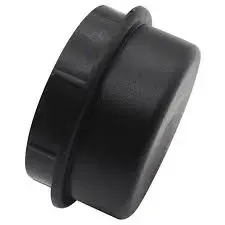
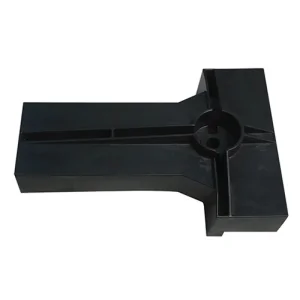
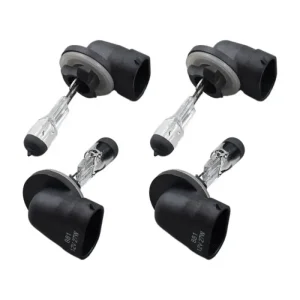
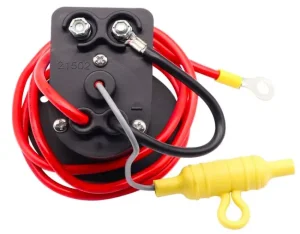
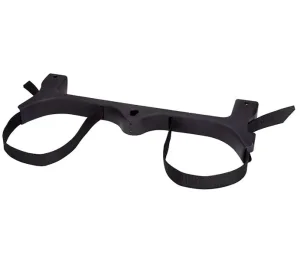
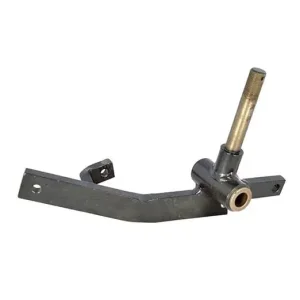
Yes. Our OEM component line, including battery hold-down rods, spindle assemblies, headlight bulbs, charger plugs, and steering joints, is engineered to standard specifications. This allows them to function as direct drop-in replacements for original parts, ensuring seamless maintenance of mixed fleets.
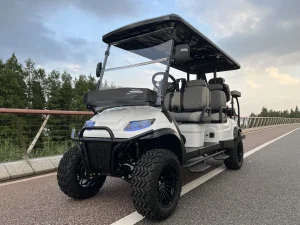
Absolutely. Our ODM/OEM division specializes in structural changes, including 2-seater, 4-seater, 6-seater, and 8-seater configurations. We also supply custom cargo boxes, flatbeds, medical stretchers, off-road lift kits, and paint options to align with your brand guidelines or resort aesthetic.
Manufacturing lead time is typically 20 to 30 days, depending on custom configurations and order volume. Sea freight transit from major Chinese ports (e.g., Ningbo, Shanghai, or Shenzhen) to Jakarta or Surabaya generally takes between 10 to 15 days, allowing for efficient fleet planning.
 XXCART