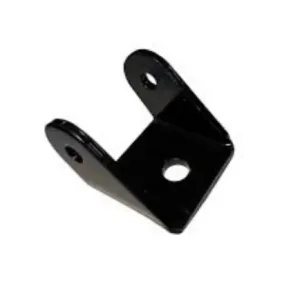
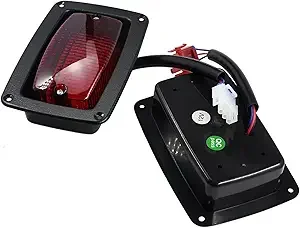
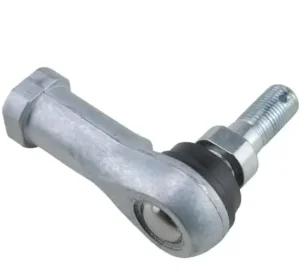
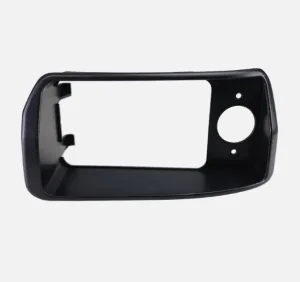
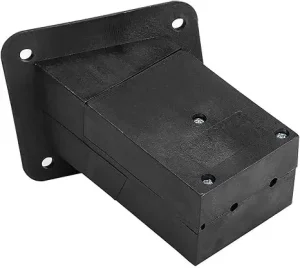
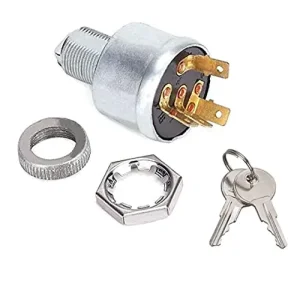
Explore our precision-engineered components matching and exceeding original OEM standards.
Introduced in the late 1970s, the Yamaha G1 fundamentally redefined the personal and light utility utility vehicle segment. Its innovative two-stroke (and later four-stroke) engines established a template for operational longevity, mechanical reliability, and structural resilience. Today, decades after its production run, thousands of G1 fleets remain active across golf courses, retirement communities, industrial facilities, agricultural estates, and historical resorts worldwide.
For fleet managers, parts distributors, and global sourcing networks, securing a reliable supply of OEM-spec replacement parts is not merely a maintenance challenge—it is an economic imperative. The market requires components that honor the original dimensional drawings while integrating modern material enhancements. This is where high-precision manufacturers bridge the gap between retro hardware designs and cutting-edge industrial fabrication.
Uncompromising technical characteristics that meet and exceed classic engineering specs.
Body and structural covers are fabricated using specialized automotive-grade PP (polypropylene) engineering plastics. This material exhibits high impact resistance, superb flexural modulus, and ultraviolet (UV) stabilization to prevent degradation in extreme outdoor applications. Our materials maintain structural integrity from -20°C up to 60°C.
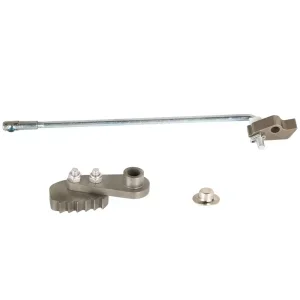
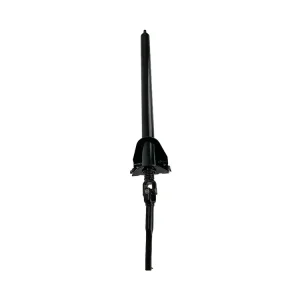
Every steering column assembly, tie rod, and steering joint undergoes computer numerical control (CNC) machining. We implement a tolerance index under 0.02mm to guarantee drop-in compatibility. Our metallurgy incorporates heat-treated high-tensile carbon steel, preventing shear failure under high mechanical stress.
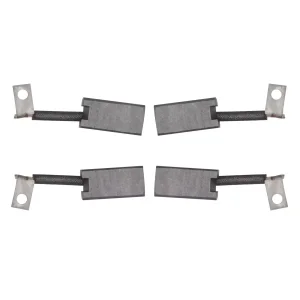
Electrical components, starter-generator brush sets, and solenoids must withstand severe current surges. We utilize high-conductivity copper and heavy-duty ABS casing assemblies that achieve IP67 ingress protection, ensuring trouble-free engine starts and charging routines in rain, mud, and dust.
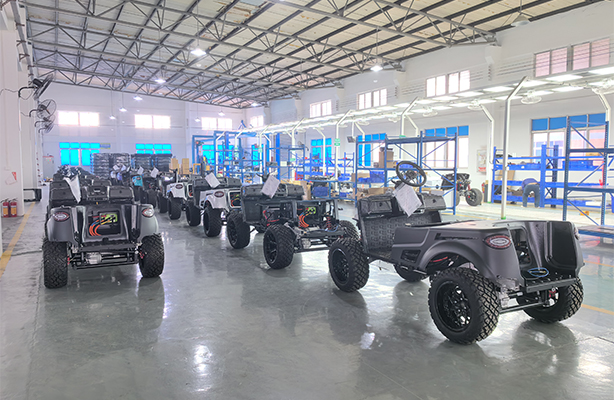
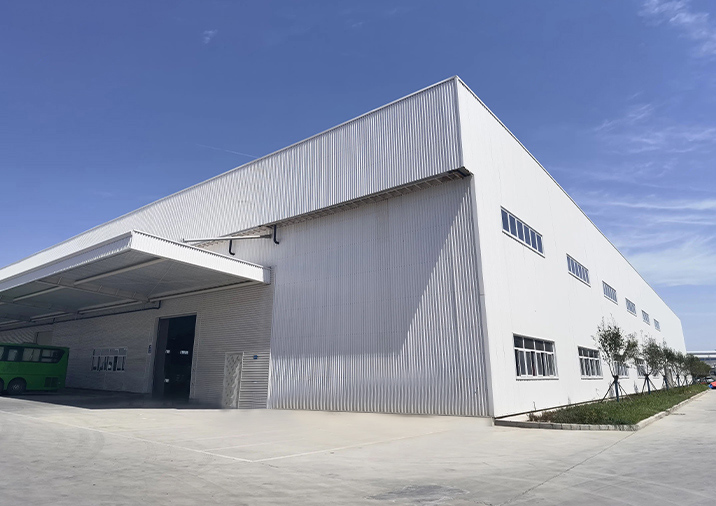
Modernized fleet applications often require more than just straightforward legacy replacements. Distributors frequently request customized dimensional updates, upgraded wiring setups, or corrosion-resistant finishes designed for specific regional environments. At XXCART INC, we offer highly integrated OEM and ODM support, managing the engineering cycle from tool design through mass production and CE certification.
By blending structural styling and internal layouts derived from leading golf cart architectures, we ensure our replacement components—including steering systems, electrical receptacles, and brake assemblies—fit smoothly, providing a level of performance that matches or exceeds the original equipment specifications.
How we are modernizing vintage components to perform under modern grid demands.
Upgrading original steel alloys to micro-alloyed steel allows steering columns and linkages to reduce unnecessary structural weight while significantly improving torsional stiffness, resulting in cleaner handling.
As gas models undergo electric conversions, our heavy-duty contactors, copper brush configurations, and high-amp charging receptors are optimized for modern lithium battery output.
Transitioning older rubber dust seals to specialized synthetic elastomers ensures superior resistance to grease, ozone, acid rain, and prolonged UV exposure, extending part lifespans up to 250%.
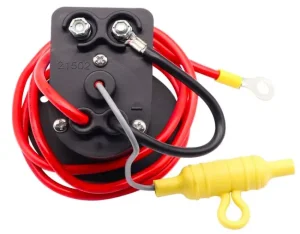
Designing modern control boxes with integrated fuse slots and failure indicators helps operators detect circuit faults immediately, minimizing downtime across large commercial operations.
XXCART has established an expansive distribution channel, delivering high-performance OEM alternative parts to the USA, Italy, Canada, Belgium, Ireland, Norway, Sweden, Brazil, and Southeast Asia. We understand the specific regional differences in fleet usage. In costal resorts, corrosion control is paramount; in large distribution yards, mechanical durability takes priority.
Through our dedicated technical support teams, we coordinate closely with local parts networks to resolve shipping delays and manage inventory requirements. By managing our own manufacturing operations and tool production, we maintain high, repeatable product quality at highly competitive wholesale price points.
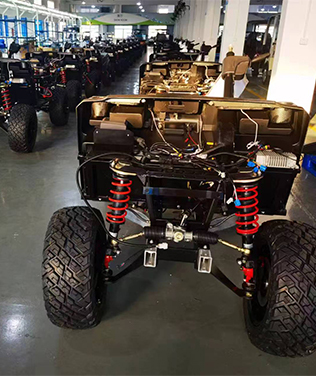
Across the global leisure and light industrial sectors, fleet managers face a consistent challenge: whether to replace aging utility vehicles with expensive new platforms or restore their existing fleets with high-precision components. The economic case for restoration is compelling. Restoring a vintage fleet with reliable OEM-spec components requires only 15% to 20% of the capital needed to procure new electric vehicles.
However, this strategy is only viable when replacement parts match or exceed the performance of the original equipment. Standard aftermarket solutions often suffer from accelerated wear, poor electrical insulation, or loose fitment tolerances. Standardizing on CE-certified manufacturing components minimizes repair cycles, decreases liability concerns, and improves overall fleet uptime.
In addition, modern environmental regulations require high efficiency. Upgraded starter brush sets, low-resistance charging receptacles, and robust steering systems lower friction and mechanical resistance, helping vehicles operate more efficiently with lower energy consumption.
Clear, expert answers to common questions about replacement systems and vehicle compatibility.
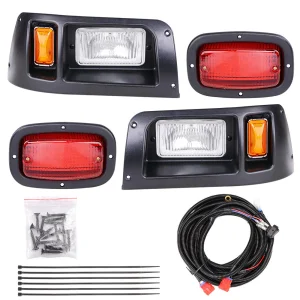
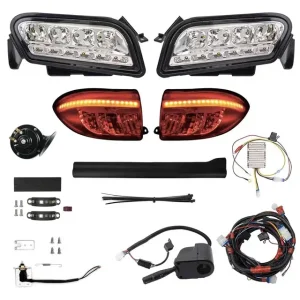
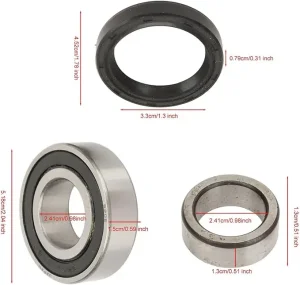
Explore our full line of steering joints, wear-resistant seals, and heavy-duty lighting kits.
 XXCART