Explore our premium range of OEM-standard replacement parts, meticulously engineered to support the performance, efficiency, and longevity of major electric fleets.
An in-depth look at how Lithium-ion technology is redefining efficiency, operational sustainability, and TCO across commercial applications.
The global low-speed electric vehicle (LSEV) market is undergoing a structural transition. Traditionally dependent on flooded lead-acid (FLA) batteries, operators of golf courses, luxury resorts, industrial compounds, and planned residential communities are systematically migrating to Lithium Iron Phosphate (LiFePO4) powertrain solutions. This transition is not merely an environmental posture; it is driven by cold, hard operational metrics: Total Cost of Ownership (TCO), faster charge cycles, zero battery maintenance, and significant weight savings that reduce turf wear and vehicle component stress.
At present, North America dominates the global demand, fueled by expansive master-planned retirement cities and golf resorts looking to maximize their utility vehicle operations. Simultaneously, Europe’s strict emissions regulations and the rapid expansion of eco-tourism have driven high adoption rates for emission-free electric fleets. In the Asia-Pacific region, the demand is fueled by mega-scale industrial zones, airports, and major resort developments that require rugged, 24/7-operational shuttle vehicles.
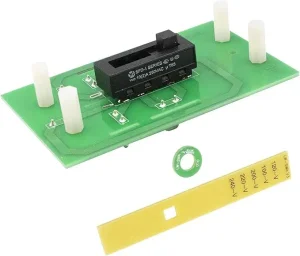
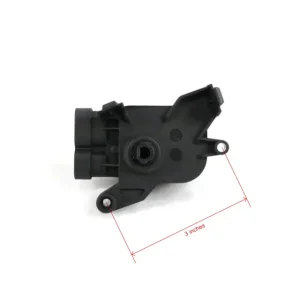
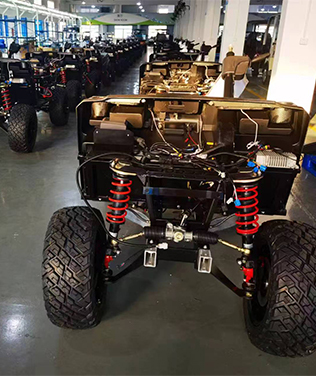
The manufacturing infrastructure has evolved in parallel. OEM producers are no longer simply drop-fitting lithium battery packs into older chassis frameworks. Modern manufacturing processes involve designing customized powertrains from the ground up. By optimizing the weight distribution, motor controllers (such as the MCOR 4 conversion potentiometer systems), and structural elements like independent front suspension arms and steering configurations, contemporary manufacturers achieve unparalleled stability and performance.
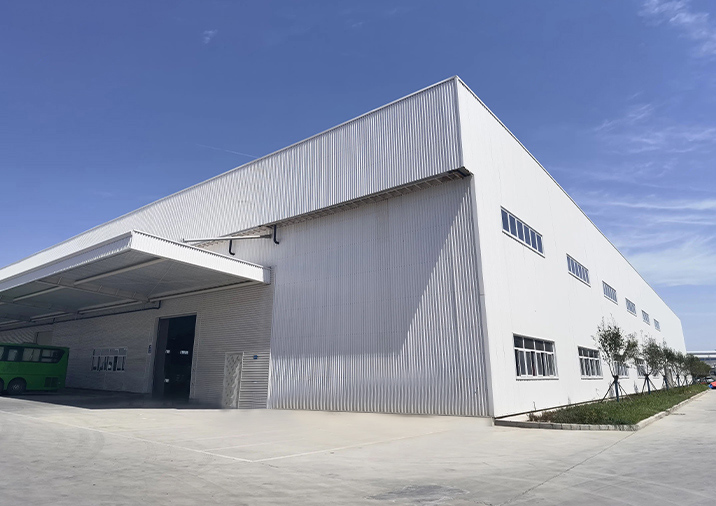
Empowering global distributors and fleet operators through high-precision manufacturing, vast production scale, and decades of engineering excellence.
Understanding the synchronization between mechanical suspension, electronic speed controls, and high-performance charging interfaces.
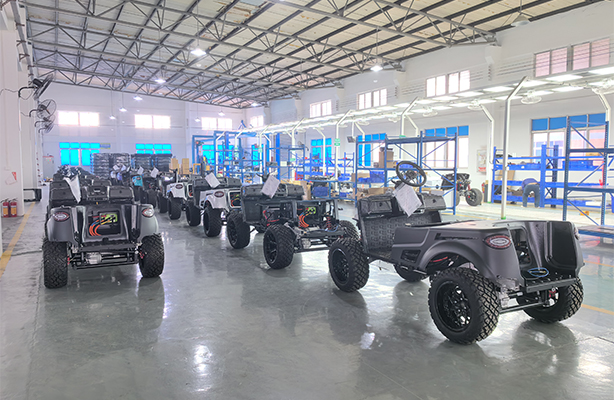
Modern fleet vehicles must withstand varying ambient temperatures, salt-laden coastal air, and continuous physical operation. High-precision manufacturing ensures that body panel covers, formed from custom PP automobile engineering materials, retain elasticity, structural color fastness, and impact resistance. Unlike brittle standard plastics, our custom body assemblies absorb impacts without fracturing.
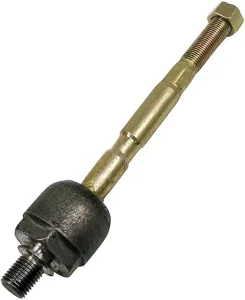
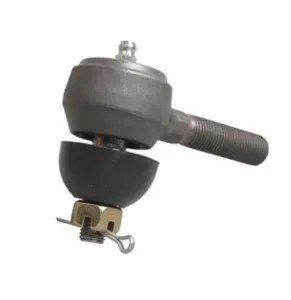
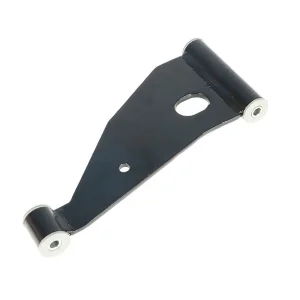
Crucially, the mechanical underpinnings must match this durability. The installation of independent suspension systems featuring items like the Control Arm Delta A-Plate for Club Car Precedent ensures optimized wheel geometry, minimized tire scrub, and passenger comfort over rough golf path transitions. Linkage components, including the Tie Rod End Ball Joints, are manufactured from forged alloy steel, heat-treated to prevent deformation under lateral loads, providing safe steering response and alignment integrity.
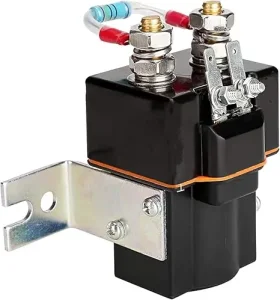
Converting a fleet to lithium-ion requires component compatibility across the entire electrical circuit. The battery, motor controller, accelerator throttle (such as the MCOR 4 conversion units), and high-amperage solenoids work in unison. A high-voltage surge or current spike can damage standard speed controllers. Thus, heavy-duty solenoids with 4-terminal coils are utilized to manage the safety disconnect and high current draw during acceleration spikes.
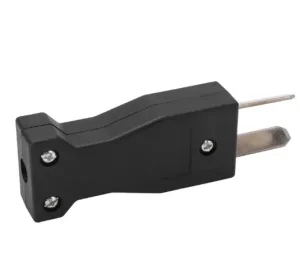
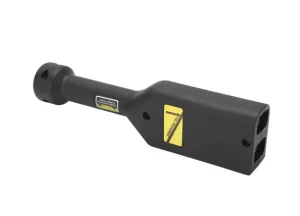
Additionally, modern charging operations require safe, secure power transfers. Receptacles and plugs, such as the EZGO TXT 73345-G01 Powerwise Receptacle Plug or the 2-Prong secure plug-and-play models, utilize silver-plated copper contacts to decrease electrical resistance. This prevents overheating and melt-downs during the high-current charging cycles characteristic of lithium battery chargers.
We tailor configuration configurations, aesthetics, and mechanical dynamics to meet target market demands and local regulations.
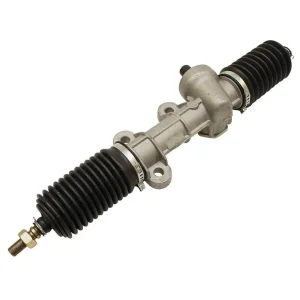
XXCART adheres to the quality bearing responsibility, offering products designed to match or exceed OEM specifications. By controlling the tooling and casting processes of steering gear boxes, suspension components, and electrical assemblies, we guarantee structural consistency and long service cycles.
Whether configuring high-torque motors for hilly resorts or adjusting the suspension damping for rough industrial yards, our engineering team tailors the drivetrain parameters. We configure battery management system (BMS) curves to match the demands of regional environments, from freezing northern European resorts to tropical Southeast Asian islands.
We provide extensive technical support, technical guides, and rapid component provisioning. Our commitment goes beyond sales: "We not only provide our customers good before-sale service but also good after-sale service. Even we can arrange engineers to solve technical issues directly for customers."
Analyzing the environmental and operational conditions where lithium-ion fleets deliver optimal economic returns.
In eco-sensitive islands, high-end resorts, and conservation zones, silent operation and zero direct emissions are mandatory. Heavy lead-acid carts often tear up grass paths and degrade due to marine salt spray. XXCART's customized electric carts, constructed with marine-grade electrical wiring, anti-corrosive powder-coated steel, and light PP panels, offer a prolonged operational life. High energy density batteries ensure that golf carts can run multiple tours on a single charge, removing the need for mid-day charging breaks.
Warehouses, industrial campuses, and airport terminals require high-availability utility vehicles. Fleet down-time impacts shipping schedules and cargo handling. Lithium-ion carts support "opportunity charging"—operators can plug in the vehicle for 15 minutes during break times, gaining significant range. This eliminates the necessity of dedicated battery charging rooms, battery swapping stations, and intensive maintenance personnel.
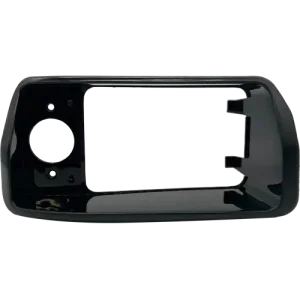
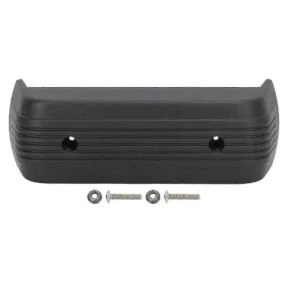
In residential areas like the Sun Belt communities in the United States, golf carts serve as primary household vehicles. Drivers require high safety parameters, reliable headlights (such as our precision-fit Passenger-Side Headlight Bezels), responsive braking systems, and smooth steering. Consistent torque output prevents the vehicle from slowing down when traversing steep hills, providing a safe, car-like driving experience.
Our global footprint expands through continuous collaboration with distributors in the USA, Italy, Canada, Belgium, Brazil, Maldives, Thailand, and the Philippines. We share brand assets, develop new product categories in synergy, and adapt configurations to meet the specific safety standards of each jurisdiction, ensuring compliance with local low-speed vehicle (LSV) regulations.
Expert answers to the most common engineering and procurement questions regarding lithium-ion golf cart components and fleet operations.
Complete your fleet overhaul with our certified structural assemblies, solenoids, switchgear, and steering components.
 XXCART