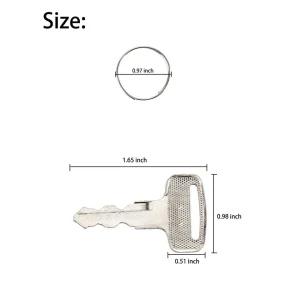
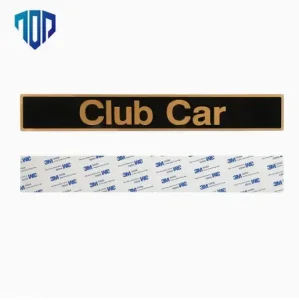
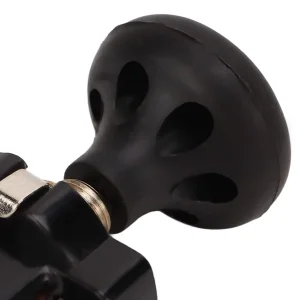
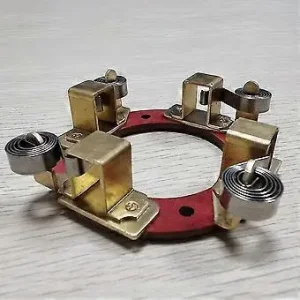
Explore our engineering-first components built to outperform standard OEM requirements and ensure peak performance.
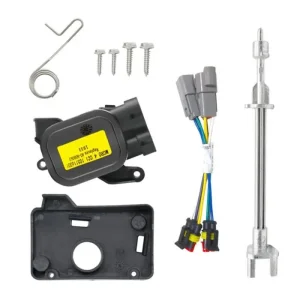
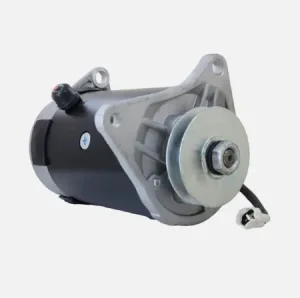
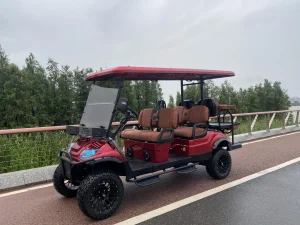
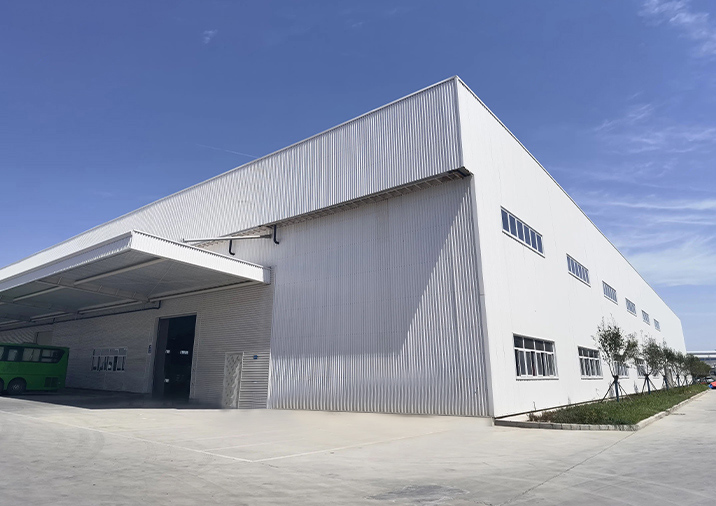
XXCART is a large-scale, high-capacity, and technologically advanced manufacturer of electric golf carts and specialized power components, boasting full CE certification and strict international compliance standards. By integrating the core spatial engineering advantages of industry-leading brands—namely E-Z-GO, Club Car, and Yamaha—we develop customized, high-end vehicle series that comply with rigorous imported technical standards.
Our commitment to material integrity and operational reliability is evident throughout our product range. From highly resilient body shells molded out of specialized PP automobile engineering polymers to smart charger systems built with advanced digital control loops, our solutions are engineered for long service life, thermal efficiency, and environmental resilience.
Send an inquiryA comprehensive whitepaper on technical capabilities, charging profiles, and industrial optimization for global procurement managers.
Modern commercial golf cart fleets represent a major capital expenditure. The lifespan of lead-acid (flooded, AGM, gel) and lithium-ion (LiFePO4) battery packs depends on the precision of the charger's charging curves. As professional OEM golf cart charger manufacturers, we build high-precision micro-controlled units (MCU) that support dynamic multi-stage charging sequences. These algorithms adjust output currents and voltages in real time based on feedback from the battery's state of charge (SoC) and ambient temperature sensors.
For lead-acid chemistries, this involves a systematic progression through the Bulk phase (constant current maximizing energy intake), the Absorption phase (constant voltage allowing safe saturated charging), and the Float phase (trickle charge maintaining optimal level without gassing). Additionally, periodic Equalization phases are programmed to prevent acid stratification and desulfate plates, effectively recovering lost capacity over time. For lithium-ion implementations, advanced CAN-bus communication links the charger with the Battery Management System (BMS) to regulate individual cell balancing and cut-off points safely.
Sourcing from our state-of-the-art Chinese manufacturing lines offers key advantages in component procurement, manufacturing velocity, and engineering customization. Based within industrial manufacturing clusters in Guangdong, we leverage immediate access to semiconductor producers, high-frequency transformer manufacturers, and premium aluminum casing suppliers.
Our 50,000㎡ ISO9001-certified factory utilizes advanced surface mount technology (SMT) lines, automated wave soldering systems, and computer-controlled test chambers. Each charger undergoes strict automated testing protocols, including high-voltage insulation tests, vibration testing to simulate rugged golf cart use, and 100% thermal burn-in under full load. This enables us to maintain pricing competitiveness while exceeding the durability ratings of standard aftermarket options.
Safety certifications and electrical grid compatibility are non-negotiable for enterprise procurement. Our engineering team designs custom charger platforms to meet specific regulatory frameworks worldwide:
Additionally, our chargers are built with an IP65 or IP67 ingress protection rating. This ensures internal components are safe from dust and rain, making them suitable for outdoor washdown bays and exposure to coastal salt spray.
How we design and engineer for high precision, extreme durability, and seamless system integration.
Adhering to high manufacturing standards, XXCART integrates advanced MCU systems to provide precision charge curves, safety-off thresholds, and temperature compensation calculations.
Molded with premium automotive-grade PP and thick aluminum alloy heat sinks, ensuring high impact resistance, vibration protection, and fanless heat dissipation options.
We tailor our products to meet specific requirements, offering custom DC connector plugs, smart communication protocols (CAN/RS485), and customizable mounting brackets.
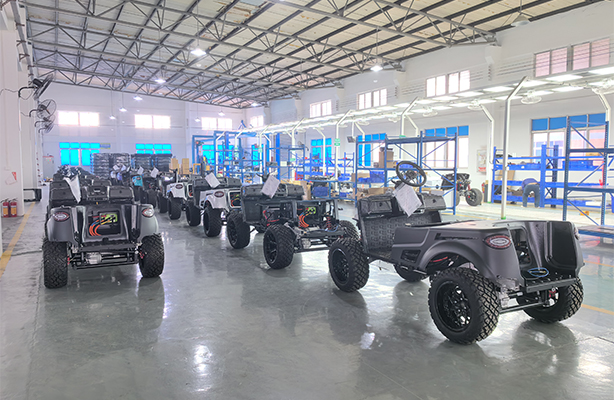
At XXCART, we control the entire tooling, molding, and electronic manufacturing process for our components. This hands-on oversight guarantees consistent, high-quality manufacturing at reasonable price points. We offer functional components that match or exceed original OEM specifications for major brands, including Club Car, E-Z-GO, and Yamaha.
Our global market strategy has allowed us to secure partnerships with clients in the USA, Italy, Canada, Belgium, Bulgaria, Ireland, Austria, Norway, Sweden, Denmark, Finland, France, Spain, Brazil, Mauritius, the Maldives, Thailand, and the Philippines. Beyond standard configurations, we offer post-sale technical support, sending experienced engineers to assist customers with field deployment, system diagnostics, and hardware integration.
A reference table for engineers, procurement managers, and fleet maintenance departments.
| Specification Parameter | 48V Flooded/AGM Settings | 48V LiFePO4 Configurations | 36V Standard Specifications |
|---|---|---|---|
| Nominal Input Voltage | 100-240V AC (Auto-Sensing) | 100-240V AC (Auto-Sensing) | 100-240V AC (Auto-Sensing) |
| Max Output Current | 15A / 18A / 25A options | 20A / 30A / 40A options | 18A / 25A options |
| Charging Algorithm | 3-Stage (Bulk, Absorption, Float) | CC/CV (Constant Current / Constant Voltage) | 3-Stage Smart Algorithm |
| Full-Load Efficiency | ≥ 92% at 230V AC Input | ≥ 94% with Active PFC | ≥ 91% at 115V AC Input |
| Over-Temp Protection | Auto-derating above 50°C ambient | Auto cut-off with BMS communication | Thermal shutdown above 85°C internal |
| Ingress Protection | IP65 / IP67 Fully Sealed | IP65 / IP67 Fully Sealed | IP65 Dust & Splash Proof |
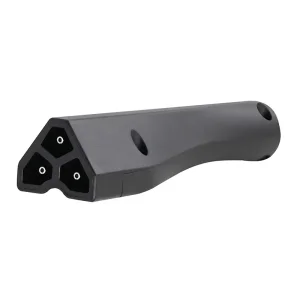
Different electric utility vehicles require specialized connector types. We supply standard configurations for top brands, including E-Z-GO 3-pin Triangle plugs, Club Car 3-pin Round plugs, and Yamaha 3-pin/2-pin connectors. All power cords are built with heavy-duty strain reliefs and high-flex jacket materials to prevent degradation in high-usage environments.
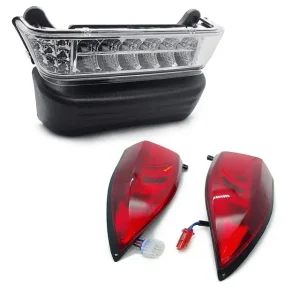
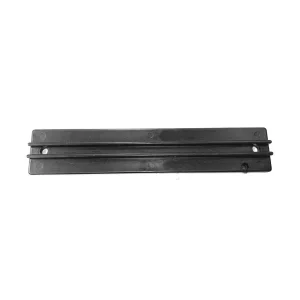
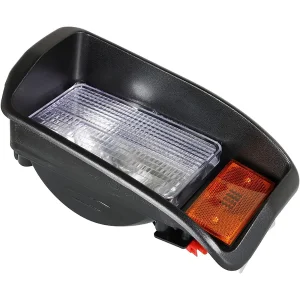
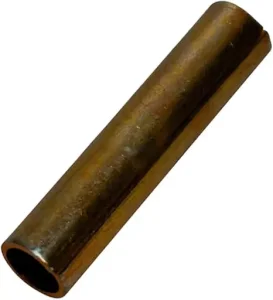
In addition to electrical components, we supply mechanical replacement parts like high-strength steel bushings, battery hold-down plates, and replacement LED light kits. This allows distributors to source all their replacement parts from a single partner, reducing shipping overhead and simplifying quality control.
The golf cart charging market is shifting toward interconnected charging hubs. The next generation of chargers will feature Bluetooth and Wi-Fi modules for remote monitoring. These systems allow facility operators to view the charge status of all carts from a centralized dashboard, identify failing batteries early, and optimize charging schedules for off-peak electricity rates.
Our engineering team continues to refine these technologies, optimizing high-frequency switching circuits and silicon carbide (SiC) semiconductors to reduce heat generation and increase energy conversion efficiency. This helps operators lower energy costs while keeping their fleets running reliably.
Answers to common technical, regulatory, and sourcing questions from global buyers.
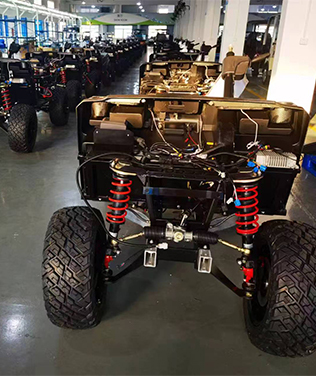
Every charging module and mechanical component undergoes extensive testing before leaving our facility. Our QC team uses computerized testing systems to monitor voltage stability, ripple noise, and conversion efficiency under load. This process ensures that all components operate safely and reliably before they are packaged and shipped.
By managing our production line in-house, we can adjust output currents, input voltage ranges, and connector configurations to meet client specifications. This capability makes us a trusted manufacturing partner for golf courses, industrial hubs, resorts, and commercial distributors worldwide.
Review our selection of electrical, mechanical, and structural components designed for Yamaha, EZGO, and Club Car models.
 XXCART