Explore our industrial-grade replacement parts, high-efficiency charger receptacles, and precision-engineered controls designed to optimize fleet operations.
The global transition towards sustainable micro-mobility has propelled electric golf carts from local recreational vehicles into critical commercial fleet assets. In corporate campuses, sprawling resorts, municipal parks, and airports, electric utility vehicles operate continuously. At the heart of this operational efficiency lies the charging infrastructure, specifically designed around standards set by industry pioneers like EZGO, Club Car, and Yamaha.
As golf cart technology migrates from legacy flooded lead-acid batteries to modern lithium-ion chemistries (such as LiFePO4), OEM chargers must implement intelligent multi-stage algorithms. Manufacturers worldwide are now pressured to deliver chargers that not only convert AC power efficiently but communicate dynamically with onboard Battery Management Systems (BMS) through CAN-bus networks to prevent thermal runaway and optimize battery life cycles.
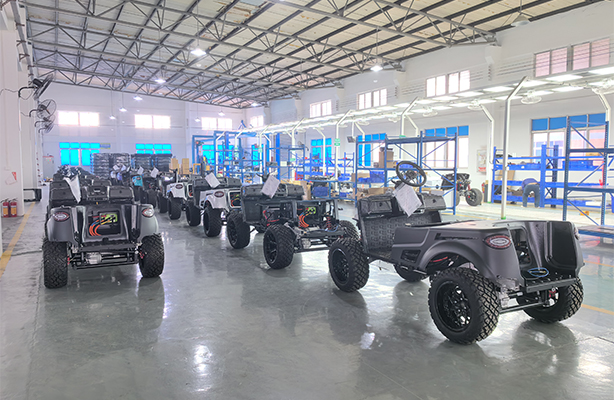
Understanding the architectural distinction between TXT and RXV platforms, and how advanced electronics govern safe energy distribution.
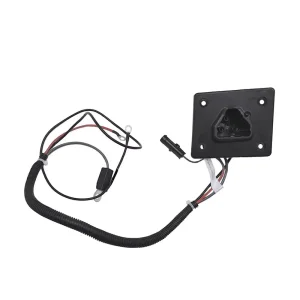
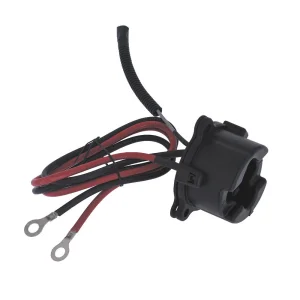
EZGO vehicles rely on specialized plugs. The traditional EZGO TXT uses a D-shaped 36-volt or 48-volt design, whereas the modern RXV utilizes a triangular 3-pin configuration. Our OEM receptacles (such as OEM 602529) are manufactured with highly conductive copper-alloy contacts coated in silver plating to prevent oxidation under high current loads.
Our chargers utilize advanced Pulse Width Modulation (PWM) and Resonant LLC topology to manage charging in three distinct phases: Bulk (constant current), Absorption (constant voltage), and Float (maintenance). This precise progression prevents voltage spikes and preserves battery plate integrity over thousands of cycles.
Built for demanding environments, modern OEM factory standards require IP67 ingress protection. The interior circuitry is fully potted with thermally conductive polyurethane resin, isolating delicate components from vibration, ambient moisture, and dust typical of coastal resorts and sandy golf courses.
"Adhering to high-precision engineering standards is not optional. At XXCART, we integrate the technological benefits of EZGO, Club Car, and Yamaha setups, providing components that exceed the life cycles of default standard equipment."
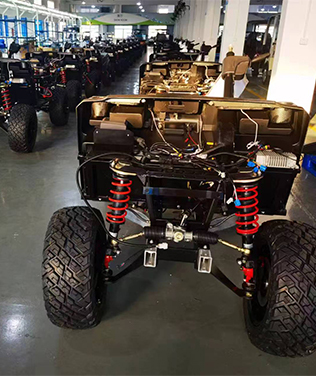
XXCART is a large, highly certified manufacturer of electric golf carts and specialized charging assemblies. Adhering to the core philosophy of "Quality first, Customer first", we design, engineer, and manufacture custom golf carts and premium components that integrate the technical advantages of global brands.
Our cover components are crafted using specialized PP automobile engineering materials, known for exceptional durability, structural flexibility, and high UV resistance. Paired with independent suspension structures and agile steering components, XXCART products deliver long-term reliability in the most demanding environments.
How specialized charging technologies adapt to local commercial markets across the USA, Europe, and Asia-Pacific regions.
In regions like the Sun Belt of the United States (Florida, Arizona, California), golf carts are primary neighborhood transportation. High-ambient temperatures require chargers with active temperature compensation curves. When ambient heat exceeds 40°C, the charger automatically scales down current output to prevent battery off-gassing and potential thermal hazards.
European tourist destinations place strict emphasis on silent operation and environmental safety. Our chargers feature fanless, passive cooling systems encased in rugged aluminum-alloy housings. These components prevent salt air corrosion along the coastlines of Spain, Italy, and Greece, and carry full CE certification for absolute grid compliance.
In high-throughput environments like transport hubs and cargo centers, golf carts operate in split-shift rotations. Fast-charging profiles and high-durability receptacles (such as the Yamaha G29 replacement JW9-H6181-00-00) must handle frequent connection cycles without pin degradation, maintaining consistent electrical connectivity.
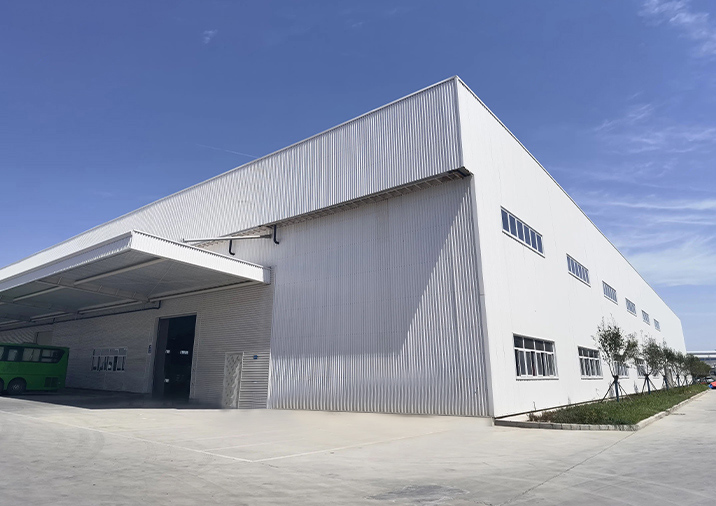
Operating a massive 50,000㎡ manufacturing facility in China allows XXCART to cultivate a highly integrated vertical supply chain. Unlike standard assembly operations, we design, engineer, and control the manufacturing tooling for almost all of our core items. This internal control guarantees consistent high quality, rapid iteration, and direct cost savings that we pass to our clients.
By keeping raw material sourcing, plastic injection molding (for our PP body panels), copper winding, PCB surface mount technologies (SMT), and rigorous environmental chambers in-house, we insulate our operations from global logistics disruptions. This localized production structure allows us to offer customized OEM/ODM modifications with industry-leading lead times.
"We design and develop numerous parts and control the tooling for most of our items. You can be assured of consistently high-quality products at a reasonable price, meeting or exceeding standard OEM replacement parts."
Developing tomorrow's standard infrastructure to support intelligent fleet telemetry, cloud analytics, and advanced grid interaction.
Integrating Bluetooth and Wi-Fi modules into charging blocks. Fleet managers can monitor charging curves, cycle health, and power consumption statistics remotely, allowing for predictive maintenance before component failure occurs.
Creating cross-compatible microprocessors capable of auto-detecting lead-acid, AGM, or lithium battery chemistries. The charger dynamically communicates with the battery pack BMS, configuring safe parameters in real-time.
Developing bi-directional charging interfaces. During peak grid demand, large fleets of connected golf carts can discharge power back into the micro-grid, turning golf course fleets into decentralized energy storage systems.
Answers to technical issues and logistical questions regarding OEM charger setups, replacements, and fleet management.
Explore our secondary lineup of specialized controllers, conversion kits, and structural components to complete your fleet overhaul.
 XXCART