Explore our highly precision-engineered replacements designed to exceed original equipment manufacturer performance indicators.
A Comprehensive Technical Review of Design Specifications, Metallurgical Qualities, Procurement Strategies, and Industrial Scaling of Golf Cart Steering Kinematics.
Steering system precision in low-speed utility vehicles (LSVs) and golf carts, specifically Club Car DS and Club Car Precedent, is a non-negotiable metric for fleet managers, resorts, and municipal operations. As the key link connecting the steering rack to the steering knuckle, the tie rod end acts as a pivot. It transmits torque inputs while absorbing continuous ground-induced vibrations.
Unlike standard passenger cars, utility golf vehicles face irregular multi-terrain operations. The vehicle dynamics call for a steering linkage system that manages continuous shock loading, high angular articulation, and harsh environments. Lower-quality steering components lead to progressive steering play, uneven tire wear, misalignment, and structural failures that threaten safety and increase fleet maintenance costs.
Our OEM tie rod ends are built to control tolerances within 0.02mm. This ensures precise fits that eliminate steering play and maintain correct wheel toe alignment over thousands of service hours.
Inferior aftermarket alternatives fail due to ball stud shear stresses and micro-fractures. XXCART products utilize carbon-steel hot forging processes to prevent sudden brittle failures.
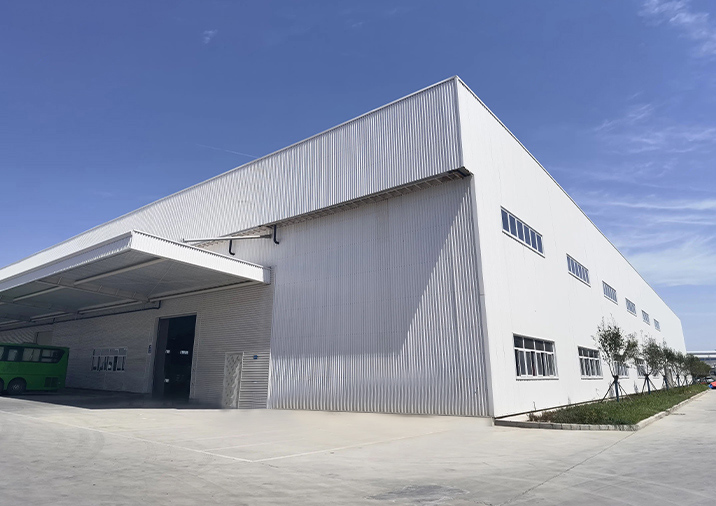
As a leading Chinese supplier of custom and high-end steering linkages, XXCART uses advanced metallurgical standards. In our 50,000㎡ factory, we employ automated testing systems to monitor batch consistency and hardness distributions. Below is a breakdown of our standard material specifications compared to typical aftermarket parts:
| Performance Metric | XXCART OEM Spec (Premium Carbon Steel) | Generic Aftermarket Components | Underlying Engineering Benefit |
|---|---|---|---|
| Ball Stud Material | AISI 4140 / 40Cr Alloy Steel | AISI 1045 Carbon Steel | Superior fatigue resistance under heavy dynamic impact. |
| Housing Construction | Hot-Forged AISI 1045 High-Tensile Steel | Cast Iron or Low-grade Stamped Carbon Steel | Prevents casting voids and increases structural yield limits. |
| Dust Boot Polymer | Premium Chloroprene Rubber (CR / Neoprene) | Low-cost PVC or Recycle-blend Rubber | Maintains flexibility down to -40°C; resists ozone, oil, and mud. |
| Grease Formulation | Synthetic Polyurea High-Pressure Grease | Mineral-based General Purpose Grease | Reduces friction torque across extreme temperature gradients. |
| Surface Protection | Cataphoretic Electrocoating (KTL / E-Coat) | Basic Spray Painting / Low-grade Zinc Wash | Over 500 hours of Salt Spray Resistance (ASTM B117 compliance). |
The global demand for high-end golf cart steering components has grown beyond traditional golf courses. Commercial environments now drive significant volume, including:
XXCART addresses these needs by manufacturing components that integrate the design highlights of EZ-GO, Club Car, and Yamaha. Our steering systems offer the versatility to match both customized applications and standard fleet replacement schedules.
A look at XXCART's extensive production capacity, global reach, and engineering excellence.
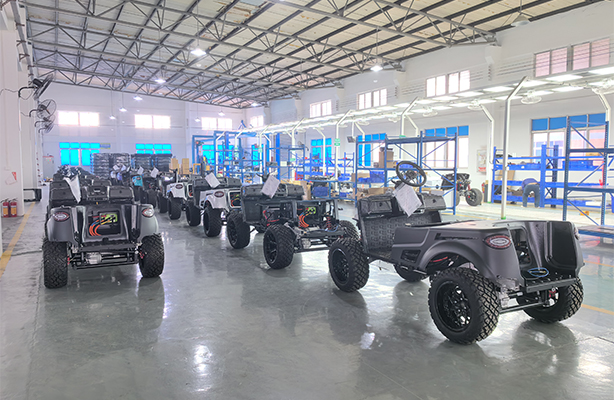
Our custom body and chassis panels are made of specialized, automotive-grade PP engineering materials. These are selected for their durability, aesthetics, and impact resistance. XXCART vehicles feature independent suspension systems, responsive steering, and custom-tuned drive systems.
Through our dedicated tooling and design process, we support custom adjustments for both standard golf carts and heavy-duty utility vehicles. Whether you require specific thread pitches, custom ball joint heights, or corrosion-resistant finishes, our engineering team can adapt designs to your requirements.
Send An InquiryAs steering component markets grow more cost-competitive, sourcing directly from XXCART's Chinese facilities offers key advantages. We control our tooling, heat treatment, and surface plating operations under one roof. This vertical integration provides several core benefits for global distributors and OEMs:
By keeping raw steel sourcing, hot forging, CNC machining, induction hardening, and rubber vulcanization in-house, we eliminate third-party delays and maintain strict quality control.
We design and manufacture our own stamping and forging tools. This control guarantees that replacement parts match or exceed the dimensions of original OEM components.
We work with established shipping networks to deliver parts to customers in over 100 countries, including the USA, Italy, Canada, Belgium, Brazil, and Australia.
Our quality control program is structured around verifying the long-term reliability of our steering linkages. Every production batch undergoes strict engineering testing:
As golf carts and utility vehicles transition to high-capacity lithium battery systems, steering demands are shifting. Lithium batteries reduce overall vehicle weight but alter the center of gravity and front-to-rear distribution. At the same time, lifted utility carts with larger tires place higher torque requirements on the steering knuckle and tie rod ends.
XXCART is meeting these trends by developing light, high-strength alloy steering parts and sealed, maintenance-free ball joints. By using high-grade grease formulations and advanced seal designs, we help fleet operators reduce regular lubrication cycles, lowering total maintenance costs.
Expert insights on steering maintenance, OEM specifications, and trade logistics.
Complete your supply chain orders with our certified OEM replacement kits.
 XXCART