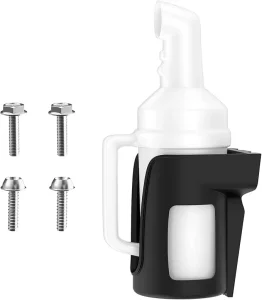
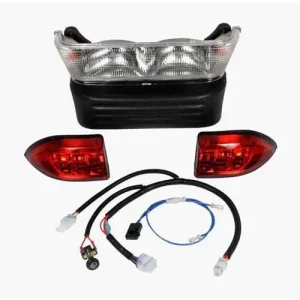
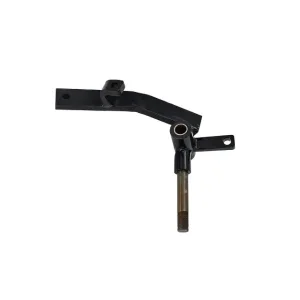
Explore our precision-manufactured OEM compatible components, tested under rigorous mechanical conditions to guarantee peak efficiency and drop-in compatibility.
Setting the standard in high-end customized electric golf carts and OEM spare parts manufacturing.
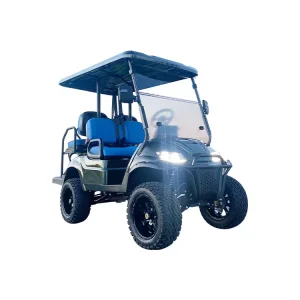
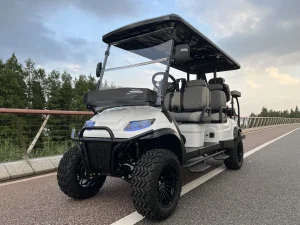
XXCART is a large and powerful manufacturer of electric golf carts and dynamic power solutions. Having obtained full **CE certification**, we prioritize manufacturing excellence, strict material selection, and rigorous engineering testing. Our core focus centers on engineering high-end customized golf carts and high-reliability starter-generator systems.
By integrating the design advantages of world-leading systems—including **EZ-GO, Club Car, and Yamaha**—and leveraging advanced technical frameworks, we have researched, designed, and developed our own proprietary vehicle series in accordance with the technical and performance standards of premium imported electric and gasoline golf vehicles.
In conventional combustion engine architectures, the starter motor and alternator are separate components. However, utility golf carts like the Club Car DS and Precedent leverage a combined **Starter-Generator system**. This system must switch seamlessly between two critical roles: providing sufficient cranking torque to spin the engine up to ignition speed (typically 800-1000 RPM), and instantly transitioning into a generator to replenish the 12V lead-acid or lithium auxiliary battery bank while driving.
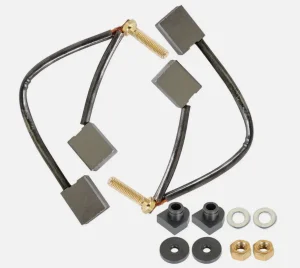
Achieving this multi-functional efficiency requires highly optimized magnetic field dynamics. Our OEM starter systems leverage custom field coil configurations and upgraded brush plates that minimize electromagnetic interference (EMI) and resist carbon build-up. These specifications ensure maximum torque transfer during start-up, preventing typical field-coil failures caused by thermal shock.
For global procurement departments, evaluating starter-generator suppliers requires analyzing key physical parameters. Under typical fleet operation conditions (such as golf courses, security patrol zones, and industrial sites), a golf cart engine may cycle start/stop up to 150 times per day. Standard aftermarket starter motors rapidly deteriorate under this cycle frequency.
Our OEM Club Car Starters feature heavy-duty armature shafts made from high-tensile steel alloys, dynamic balance testing to prevent radial vibration, and double-sealed ball bearings containing high-temperature lubricants. This specialized design mitigates premature bearing seizure and armature winding short-circuits caused by environmental dust, sand, and moisture infiltration.
| Performance Specification | XXCART OEM Club Car Starters | Standard Aftermarket Alternators | Engineered Advantage |
|---|---|---|---|
| Cranking Torque Output | 12.5 N·m @ 12V (High Starting Force) | 8.2 N·m @ 12V (Standard Force) | Guarantees reliable start in low temperatures |
| Armature Windings | 99.9% Pure Enameled Copper Wire | Copper-Clad Aluminum (CCA) | Superior conductivity and minimal resistance heating |
| Brush Configuration | Heavy-Duty Copper-Graphite Alloy | Standard Carbon Brushes | Longer wear-life; lower maintenance cycles |
| Rotational Speed Range | Up to 6,500 RPM Operational Limit | Up to 4,800 RPM Operational Limit | Resists over-speed damage on steep descents |
| Enclosure Protection Class | IP54 Dust & Splash Resistant | IP33 Unsealed Open Frame | Crucial for off-road, mud, and turf environments |
At XXCART, we customize mechanical, electrical, and aesthetic elements to fit your fleet requirements. Our vehicle body cover parts are constructed using a **special PP automobile engineering material**, characterized by modern styling, aesthetic contours, and extraordinary structural elasticity. This material ensures our golf carts absorb impacts without fracturing or sustaining permanent deformation.
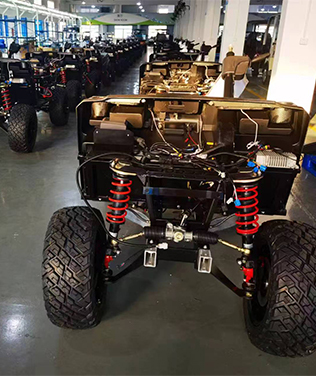
Beyond physical aesthetics, we optimize the vehicle’s mechanical handling dynamics. These vehicles are configured with an **individualized operation system, agile and smooth steering components, and fully independent front suspension systems**. This setup reduces body roll on uneven turf, ensuring a stable, safe ride even under full load capacities.
"We design and develop numerous parts and control the tooling and manufacturing operations for most of our items. You can be assured of consistently high-quality products at a reasonable price. Our major OEM components fit Club Car, E-Z-GO, and Yamaha configurations."
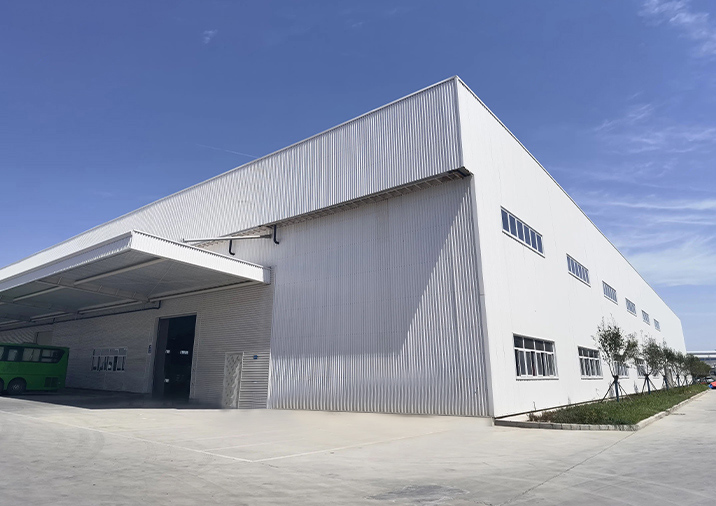
Quality-focused components with close tolerance limits.
Built with impact-resistant composites and reinforced steel.
"Standing on the mountain peak, we can see the farther world." Supporting international clients with reliable localized engineering support.
Due to our styling, product builds, and post-purchase customer support protocols, our products are approved across major world markets. We cooperate closely with distributors and commercial clients in the USA, Italy, Canada, Belgium, Bulgaria, Ireland, Austria, Norway, Sweden, Denmark, Finland, France, Spain, Brazil, Mauritius, Maldives, Thailand, and the Philippines.
By offering configurable color patterns, functional accessory upgrades, and drive-system tunings, we satisfy diverse operator applications. We maintain strict control over specialized mold toolings, machining configurations, and assembly cycles to guarantee components perform at or above original OEM standards.
Our operations follow the philosophy: "Quality first, Customer first." We provide pre-sale verification assistance, fitting confirmations, and after-sale support. Additionally, we dispatch engineers to address on-site electrical or integration challenges for our volume commercial clients.
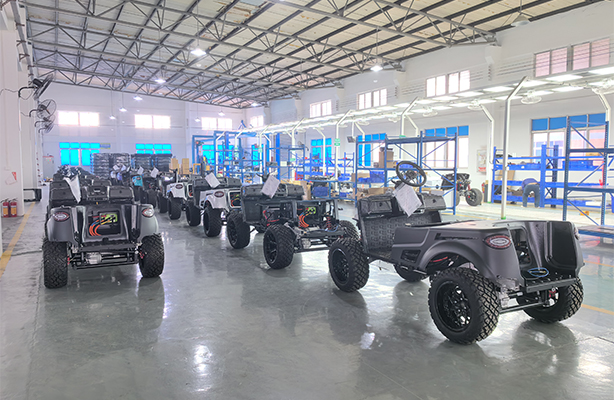
As utility and passenger fleet logistics shift towards smarter infrastructure, starter and generator designs must evolve to meet new expectations. The following developments outline our technical roadmap for the next generation of golf cart propulsion systems:
Future starter-generators will integrate sensor modules that track rotor temperature, brush wear, and voltage outputs in real-time. This diagnostic telemetry helps fleet managers predict and prevent starting failures, scheduling preventative maintenance before a unit fails on the course or worksite.
By removing physical carbon brushes, brushless designs eliminate friction loss, carbon dust buildup, and electromagnetic interference. This transition increases the overall electrical efficiency of starter-generators by 15-20%, reducing fuel consumption in gasoline-powered models and extending runtime.
As modern fleets switch to Lithium-Ion battery architectures, our starter-generators are designed to work alongside advanced battery management systems (BMS). This synchronization manages charging current flow, protecting lithium cells from the high voltage peaks produced during regenerative braking and high-speed driving.
Find technical explanations, sourcing advice, and troubleshooting tips for Club Car starters and electrical networks.
Common signs of a failing starter-generator include: 1. The engine clicks but refuses to spin, which often points to worn internal carbon brushes or a faulty starter solenoid. 2. Slow cranking, which suggests high electrical resistance in the copper windings or damaged armature connections. 3. The battery draining continuously during operation, which indicates the unit is starting the engine but failing to switch into its generator charging cycle.
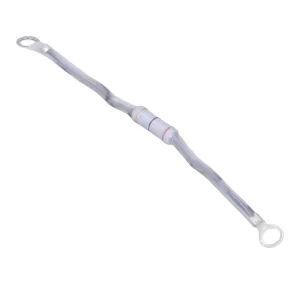
Solenoid resistors reduce arcing across the main contact points when the solenoid engages. If a starter motor draws excessive current due to worn bearings or internal resistance, it places a heavy load on the resistor, causing it to overheat and burn out. Replacing the resistor without verifying the electrical health of the starter can lead to repeated failures.
While the internal operating principles of these starter-generators are similar, they are not directly cross-compatible due to differences in mounting brackets, pulley sizes, and rotation directions. For example, Club Car engines may spin counter-clockwise, whereas certain EZGO or Yamaha configurations rotate clockwise. Always match the specific OEM part numbers to ensure correct rotational direction and alignment.
Precision machining of the armature core, commutator surface, and brush holder brackets is critical. Even minor variations can cause uneven contact between the brushes and commutator, resulting in spark generation, electromagnetic noise, and rapid component wear. High-precision manufacturing guarantees stable electrical contact, maximizing torque and service life.
B2B buyers should look for **CE Certification** and compliance with international ISO9001 standards. These credentials ensure the manufacturer uses standardized testing protocols, has quality control processes in place, and builds components that meet safety and performance regulations for global markets.
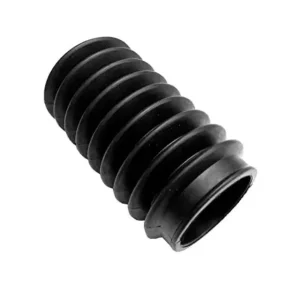
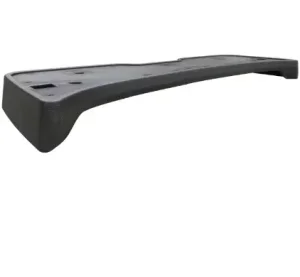
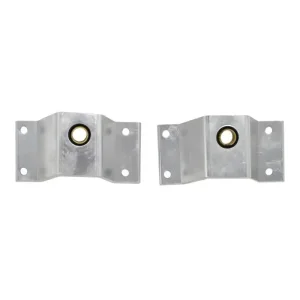
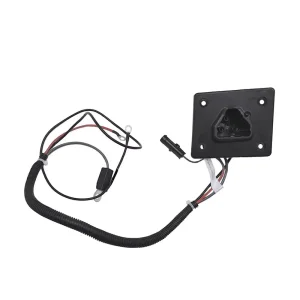
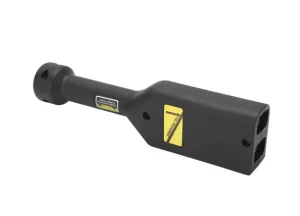
Find compatible parts to optimize your vehicles, including steering bellows, charging receptors, solenoid resistors, and switch gear assemblies.
 XXCART