High-precision electrical and structural parts engineered to exceed OEM standards.
In the global neighborhood electric vehicle (NEV) and utility golf cart market, structural upgrades dictate both vehicular safety and cargo versatility. The installation of a Yamaha Rear Seat Kit represents a significant structural modification. This transformation demands rigorous mechanical engineering, precise weight distribution calculation, and stringent material selection. When selecting a Chinese factory partner, global fleet owners, distributors, and custom dealers prioritize manufacturers that have secured CE Certification.
CE Certification serves as a primary trust indicator, demonstrating adherence to key European Union safety directives. These certifications encompass critical safety factors, including structural load capabilities, non-toxic polymer compositions, and mechanical impact integrity. This whitepaper analyzes the technical architecture of high-performance Yamaha Rear Seat Kits. We review material science innovations, structural stress testing, and the supply chain advantages offered by premier Chinese OEM/ODM factories.
By utilizing advanced computer-aided finite element analysis (FEA), modern factories ensure that rear seat additions align with the vehicle's original chassis geometry. This preservation of stability protects occupants against tip-over and lateral slide risks under high-load conditions.
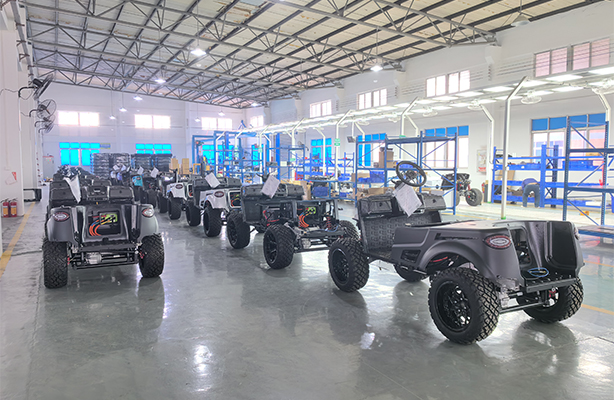
Unlocking technological synergy, material advantages, and cost efficiencies.
Chinese factories utilize high-tensile steel tubing and marine-grade aluminum alloys. These materials are treated with electrophoretic deposition (E-coating) and premium powder coatings. This dual-layer coating offers resistance to rust and oxidation, outlasting standard aftermarket alternatives in humid or coastal environments.
By leveraging advanced plastic injection machinery, components such as the seat base cover and the deck are manufactured from virgin Polypropylene (PP) engineering plastics. The material features integrated UV stabilizers, preventing fading, cracking, and structural brittleness caused by prolonged exposure to sunlight.
Located in specialized industrial clusters, Chinese manufacturers benefit from integrated supply chains for hardware, fasteners, and packaging. This concentration reduces raw material overheads and shipping assembly costs, passing direct savings to international distributors and B2B buyers.
The global golf cart market has expanded beyond traditional 18-hole courses. Multi-passenger transportation systems are increasingly adopted in resorts, master-planned gated communities, academic campuses, airports, and industrial complexes. This shift highlights the need for reliable multi-functional conversion systems, such as 2-in-1 flip-flop rear seat kits.
Modern rear seat kits must serve dual purposes. They need to transition from comfortable passenger seating with ergonomic cushions and safety grab bars, to heavy-duty utility cargo decks capable of supporting tools, luggage, or freight. Suppliers focus engineering efforts on seamless conversion mechanisms, heavy-duty hinges, and drop-down tailgates to meet these requirements.
Examining components, structural integrity, and OEM compatibility.
Occupant comfort relies on foam density and vinyl durability. Low-cost seat kits often use recycled foam that loses its shape over time, leading to occupant fatigue and contact with the seat base.
Premium certified manufacturers utilize high-density Polyurethane (PU) molded foam, which maintains shape and elasticity after thousands of compression cycles. This is paired with UV-resistant, marine-grade vinyl featuring anti-microbial coatings. This specification prevents moisture infiltration, mildew growth, and cracking under exposure to salt air and intense sun.
Given that golf carts are often exposed to outdoor weather, corrosion prevention is essential for the long-term reliability of structural steel frames.
The steel chassis components undergo Electrophoretic Deposition (E-coating). In this electrochemical process, the steel is submerged in a liquid paint bath under electrical current, ensuring paint coverage inside tubes and hollow channels. A heavy coat of textured, weather-resistant powder paint is then applied, protecting the steel from salt water, fertilizer chemicals, and mechanical abrasions.
Improperly engineered aftermarket kits can stress the original cart frame, leading to weld failures or alignment issues.
Precision manufacturing relies on high-accuracy laser cutting and robotic welding jigs modeled on official Yamaha chassis CAD files. Whether retrofitting a classic Yamaha G-Series, the G29 (YDR/Drive), or the Drive2 model, the kit mounts to existing factory mounting holes. This design minimizes the need for drilling, preserving the integrity of the cart's main frame.
Under safety guidelines, passenger retention and stability are key priorities during acceleration and sharp turns.
CE-certified seat kits feature high-clearance wrap-around safety grab bars made from steel tubing. The footrest is reinforced with support brackets that mount to the cart's bumper support frame, distributing passenger weight directly to the rear suspension. This prevents sagging and protects the body panels from cracking.
XXCART INC is a leading developer and manufacturer of electric golf carts and high-end customized components, backed by 21+ years of manufacturing experience. Holding CE certification, XXCART integrates the structural and electrical designs of EZ-GO, Club Car, and Yamaha. This integration supports the production of high-performance aftermarket parts and custom utility vehicles.
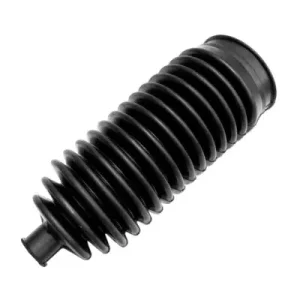
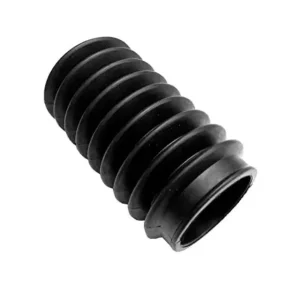
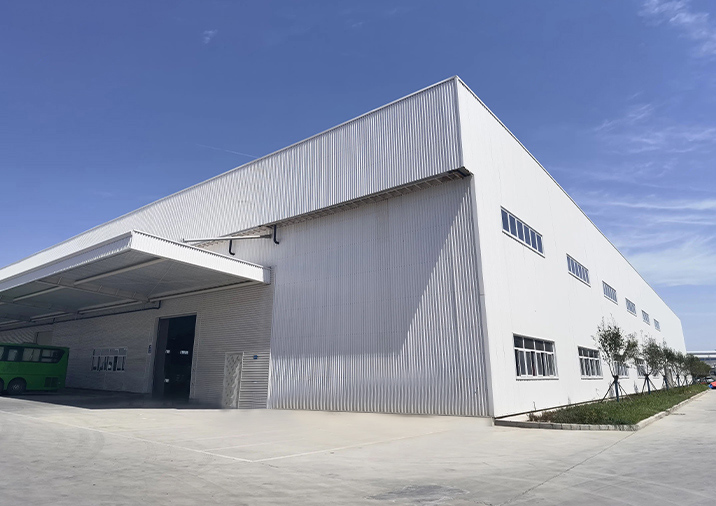
Covering a 50,000㎡ factory footprint, XXCART designs and manufactures a wide range of components. This in-house control over tooling and fabrication ensures consistent quality and competitive pricing. The product portfolio includes replacement steering bellows, shock absorbers, performance chargers, and multi-passenger rear seat kits.
XXCART's products are exported to over 100 countries, including the USA, Italy, Canada, Belgium, Ireland, Spain, Brazil, and Thailand. Operating with a "Quality First, Customer First" approach, XXCART supports B2B buyers with comprehensive technical consulting and after-sales engineering assistance.
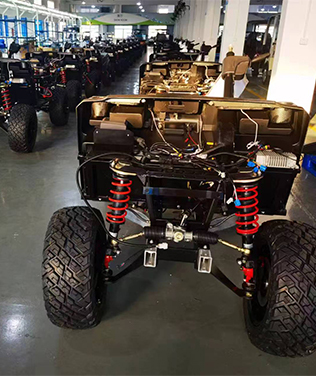
Managing B2B sourcing challenges from container optimization to local compliance.
Shipping voluminous steel fabrications globally can involve high freight costs. Professional manufacturers optimize packaging using complete KD (Knocked Down) designs. Seat kits are flat-packed in heavy-duty cardboard boxes with form-fitting styrofoam protective blocks. This packaging method maximizes container volume, allowing B2B buyers to save up to 35% on ocean shipping rates.
To match the factory aesthetic of the Yamaha Drive2, seat cushions must align with OEM colors (such as Stone, Black, or Sandstone). XXCART offers customization options, matching the texture, sheen, and color of the original vinyl, as well as offering custom dual-tone styling for bespoke applications.
When retrofitting large commercial vehicle fleets (e.g., at municipal parks or golf courses), compliance with safety standards is essential. Choosing CE-certified rear seat kits helps fleet managers meet local safety audits and comply with regional insurance policies.
Technical answers, installation details, and bulk order guidelines for purchasing agents.
High-demand components for maintenance and upgrading golf cart fleets.
 XXCART