Analyzing Structural Dynamics, Impact Safety, and Regulatory Optimization for Yamaha G16 Fleet Deployments.
In the modern commercial and industrial utility vehicle (UTV) sector, golf carts like the Yamaha G16 serve as critical operational infrastructure. Historically regarded as simple aesthetic covers, current fleet standards demand that windshields function as critical safety barriers. Operating under heavy-duty cycles in varying terrain—ranging from industrial campuses and coastal resorts to expansive municipal golf courses—these vehicles face dynamic stress, wind resistance, and unexpected physical impacts.
A premium Yamaha G16 windshield must balance optical precision, mechanical toughness, and environmental resilience. At XXCART INC, our manufacturing processes are rooted in engineering materials that mitigate operator risks. When golf carts operate near active fairways, construction zones, or high-velocity logistics centers, their windshields are the primary defense against flying debris, golf ball impacts, and harsh weather conditions. Utilizing CE-certified shatterproof technology, our factories produce units designed to yield under high impact without fracturing into dangerous, sharp fragments, safeguarding passenger compartments and reducing institutional liability.
A major challenge for global procurement managers is selecting the correct polymer base. Windshields are typically constructed from either polymethyl methacrylate (PMMA/Acrylic) or Polycarbonate (PC).
Acrylic Windshields: Known for superior clarity and long-term UV resistance, acrylic resists yellowing and scratching over years of outdoor exposure. However, standard acrylic has lower impact resistance than polycarbonate.
Polycarbonate Windshields: Polycarbonate offers up to 250 times the impact resistance of standard glass and 30 times that of acrylic. It is virtually unbreakable under typical golf ball and road debris impacts. Its vulnerability lies in scratch sensitivity and long-term UV degradation, which we address through advanced hard-coating processes.
XXCART INC’s proprietary technical solution blends high-molecular-weight virgin polycarbonate resin with a double-sided co-extruded UV-blocking layer, ensuring impact protection while maintaining optical clarity over years of operation.
By engineering components that integrate with EZ-GO, Club Car, and Yamaha chassis, our team designs aftermarket accessories that meet or exceed OEM dimensional tolerances, preventing vibration wear.
Inquire for Fleet PricingComparing high-durability polycarbonate formulations used in Yamaha G16 windshield production.
| Performance Indicator | Standard Acrylic (PMMA) | High-Impact Modified Polycarbonate | XXCART Premium Hard-Coated PC |
|---|---|---|---|
| Impact Resistance (Izod) | 15 - 20 J/m | 600 - 800 J/m | > 850 J/m (Shatterproof) |
| Light Transmittance (%) | 92% | 88% | 90% - 91% (Optically Clear) |
| Scratch Resistance (Taber Abrasion) | Excellent (Uncoated) | Poor (Uncoated) | Excellent (Coated with silica nanocomposites) |
| UV Degradation Resistance | 5 - 8 Years | 2 - 3 Years (Yellows) | 10+ Years (Co-extruded UV inhibitors) |
| Wind resistance Rating | Up to 45 km/h | Up to 90 km/h | Up to 120 km/h (High-flexibility design) |
Analyzing procurement cycles, target sectors, and international logistical standards.
Luxury resorts, island properties, and eco-tourism centers require low-maintenance fleets. High-humidity and salty marine environments accelerate degradation of sub-par acrylics. Procurement agents prioritize UV-stabilized, marine-grade hardware with polycarbonate interfaces to minimize replacements.
In heavy-duty logistic nodes, manufacturing plants, and airport runways, golf carts function as transport vehicles. These workspaces present higher collision risks, requiring thick, impact-rated CE windshields to protect personnel from flying objects and light collisions.
For traditional green courses, passenger comfort and vehicle longevity are key. Impact-resistant folding windshields permit seasonal ventilation adjustments, while scratch-resistant surfaces ensure long-term visibility despite cleaning cycles and exposure to abrasive dust.
The transition of golf cart components toward advanced materials, structural integration, and digital readiness.
Operating a golf cart fleet across regions like North America, Southern Europe, and Southeast Asia requires adaptability. High-humidity areas require anti-fogging surfaces, while arid desert regions demand advanced scratch resistance. To meet these needs, XXCART has introduced an automotive-grade polyurethane folding hinge mechanism. Traditional PVC hinges break down and crack under prolonged UV exposure, causing alignment shifts and rattle at high speeds.
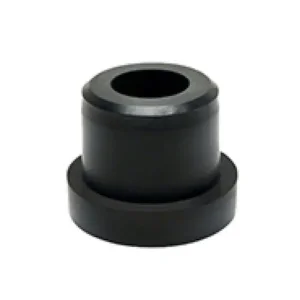
Our current technical roadmap focuses on replacing mechanical wear components with integrated co-molded flexible elastomers. This ensures that even after 10,000 folding operations, the seam remains water-tight and silent. The frame attachment points are designed with specialized vibration-damping rubber bushings that protect the structural uprights of the Yamaha G16, minimizing mechanical wear.
As fleet management systems adopt telemetry and GPS navigation, golf cart dashboards are transitioning into connected hubs. The windshield is becoming an interactive display surface. XXCART is exploring integrations with solar energy harvesting films, which can be laminated directly into the top portion of the windshield to trick-charge auxiliary batteries.
Our engineering team is testing nano-layered transparent coatings that repel dust and water statically, reducing clean-up times for large fleets. By staying ahead of these trends, we help global buyers prep their operations for the next generation of utility transport.
Lamination of quartz-hardened silica on structural PC substrates to eliminate micro-abrasions.
Infusing IR-blocking pigments in the resin matrix to lower temperatures inside the cabin by up to 5°C.
Smart laminations supporting head-up displays (HUD) for corporate fleet management.
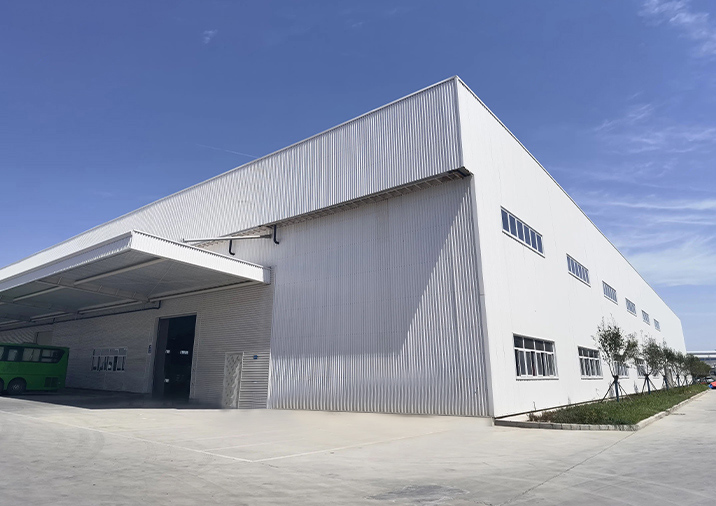
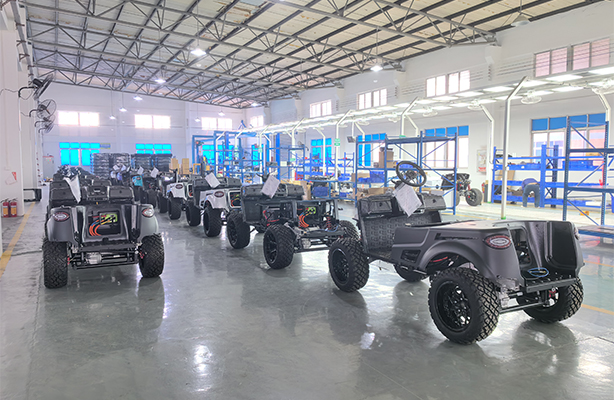
XXCART is a large and powerful manufacturer of electric golf carts and related high-end custom components, which has obtained CE certification. We integrate the design and durability advantages of EZ-GO, Club Car, and Yamaha. Utilizing advanced manufacturing processes, we design and build our own components and vehicle series in accordance with the technical standards of imported electric vehicles.
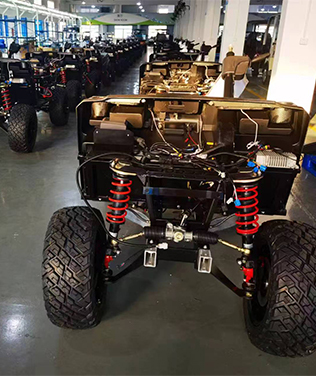
Our cover parts are made out of special PP automobile engineering materials, which are selected for their durability, aesthetics, and high mechanical strength. These systems feature precise steering control and independent suspension mechanisms. Our products are exported globally, serving clients in the USA, Italy, Canada, Belgium, Bulgaria, Ireland, Austria, Norway, Sweden, Denmark, Finland, France, Spain, Brazil, Mauritius, Maldives, Thailand, Philippines, and beyond.
We design, develop, and control tooling for most of our catalog items. This direct oversight enables us to deliver components that meet or exceed OEM specifications at competitive prices. Following our core concept of "Quality first, Customer first", we stand behind our products with complete engineering support and reliable after-sales service.
Providing regulatory alignment and engineering support to ensure international import compliance.
Our windshields undergo rigorous optical distortion tests and high-impact assessments to satisfy the requirements of European EN 12150 standards. This documentation simplifies customs clearances for European fleet importers.
For vehicles operating on public roads or gated communities in North America, we construct windshields using shatter-resistant AS5-rated acrylic and polycarbonate formulations, adhering to ANSI Z26.1 requirements.
Our R&D team can adapt dimensions, tint percentages, and hinge specifications for unique corporate fleets. We provide rapid CAD prototyping and custom mockups to ensure seamless mechanical compatibility.
Detailed answers to help global buyers evaluate materials, standards, and order requirements.
 XXCART