Engineered to match strict quality guidelines and high durability specifications for Club Car, EZ-GO, and Yamaha systems.
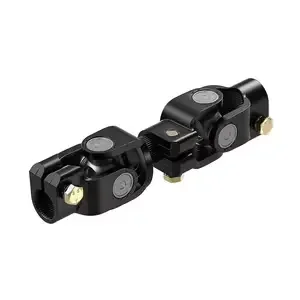
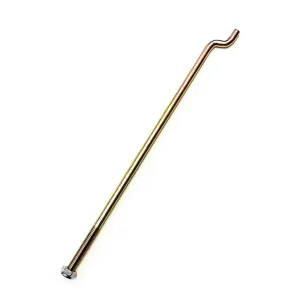
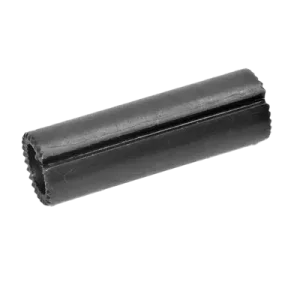
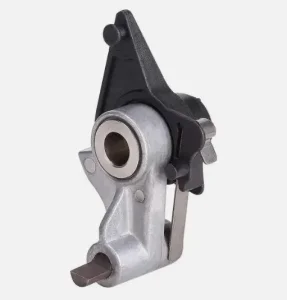
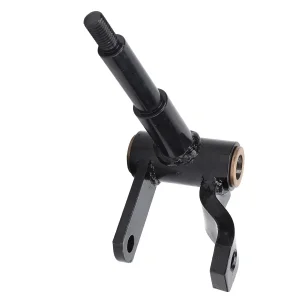
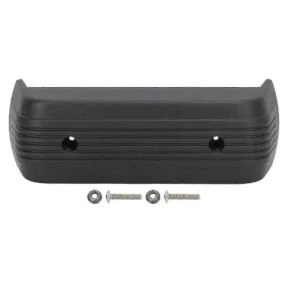
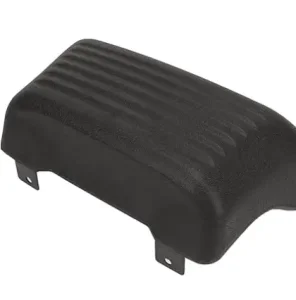
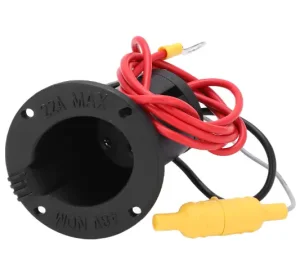
XXCART is a highly integrated, large-scale manufacturer of premium electric golf carts and related chassis, suspension, steering, and pneumatic components. Our production facilities hold valid CE Certifications, reflecting our adherence to stringent European health, safety, and environmental protection standards. By combining design philosophies from industry leaders like E-Z-GO, Club Car, and Yamaha, we create unique solutions optimized for international fleets.
Our engineered systems leverage advanced manufacturing technology. We have designed, developed, and tested our own vehicle series to match and exceed the technical standards of imported high-end electric vehicles. For our clients, this ensures consistent component-level compatibility, longevity under demanding operating conditions, and minimal maintenance overhead.
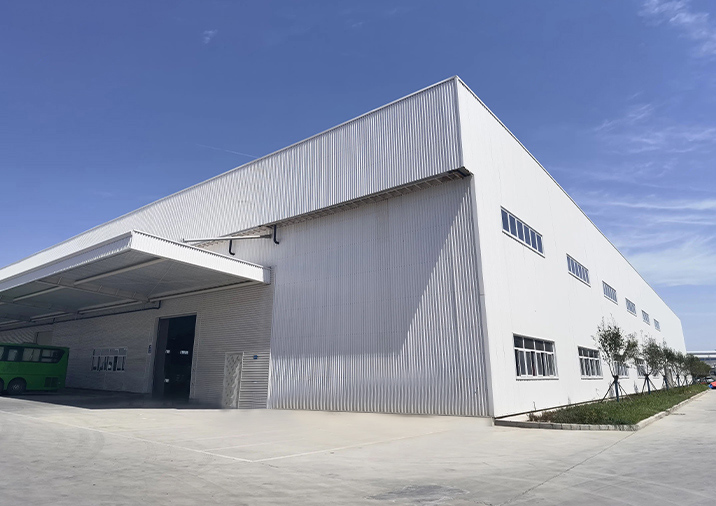
How XXCART engineered parts ensure structural safety and mechanical reliability.
Our manufacturing workflow prioritizes tight tolerances and high mechanical consistency. This minimizes premature wear, vibration, and thermal stress on crucial components such as steering spindles, joints, and drive linkages.
By using automotive-grade PP (polypropylene) engineering plastics and reinforced alloys, our body plates, bumpers, and structural linkages withstand UV exposure, mechanical impacts, and chemical corrosion over long duty cycles.
We provide tailored configurations for global golf cart operators, including custom paint schemes, specialized high-durability setups, custom-tread tire installations, and custom wire harness configurations.
In modern industrial utility environments, recreational resorts, and smart micro-mobility networks, the performance of the golf cart is directly linked to the safety and durability of its components. Selecting the right tires, steering knuckles, suspension elements, and electronics is not just a matter of operational maintenance—it is a critical driver of structural safety, fleet energy economy, and risk mitigation. Manufacturers producing CE Certified Golf Cart Tires must meet European health, safety, and environmental protection standards to ensure safe operational performance across diverse commercial and industrial fleets.
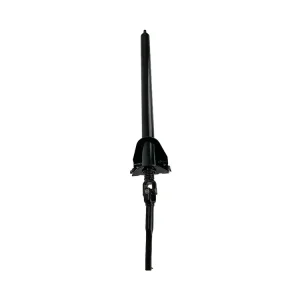
For procurement officers in the European Union, North America, and high-growth markets within Oceania and Asia-Pacific, compliance is the first line of defense. The CE marking indicates that a product conforms to the relevant EU directives on mechanical safety, material toxicity (such as REACH and RoHS regulations), and operational stability. When purchasing tires, steering linkages like the 1013861 steering joint shaft, or high-current electronics, choosing CE-certified parts helps protect organizations against regulatory issues, liability disputes, and premature equipment failures.
CE compliance requires extensive fatigue, load capacity, and thermal stability testing. Tires must undergo rigorous rotational durability testing, while load-bearing metallic parts (e.g., the 102287801 spindle assembly) must resist plastic deformation under cyclic mechanical stress. These rigorous quality checks ensure that every vehicle operates safely, even under maximum load or on challenging terrain.
The interface between a golf cart and the terrain is its tire tread. Premium tires feature advanced tread compounds designed to optimize three main parameters: rolling resistance, tractive effort, and compound durability.
Lowering rolling resistance directly reduces energy usage, helping extend battery range for 48V and 72V electric fleets. Modern compounds mix natural rubber with specialized synthetic polymers and carbon black reinforcements. This formulation provides high puncture resistance, low wear rates, and excellent wet-weather traction. Additionally, these compounds prevent "scuffing" on turf surfaces—a crucial requirement for high-end resorts and championship golf courses.
Designed with reinforced sidewalls to resist punctures and abrasions on concrete path borders and gravel trails.
Optimized rubber chemistry extends electric golf cart battery ranges by up to 12% per charge cycle.
Distributes load weight evenly across the footprint to prevent turf compaction and damage to fairways.
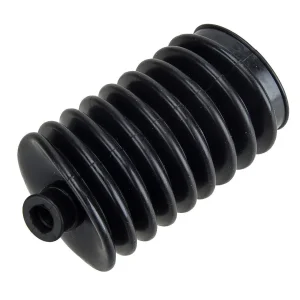
Beyond tires, a golf cart's handling characteristics depend heavily on its steering and suspension systems. Components like the steering bellow (OEM 101880001) protect inner tie rods from grit, mud, and water. When these seals fail, abrasive particles enter the steering housing, leading to steering play, lane drift, and potential loss of control. Similarly, replacing worn components with high-quality parts like the 102287601 outer sleeve or the 103209501 steering column assembly restores the vehicle's original handling precision, reducing driver fatigue and increasing overall safety on steep or uneven paths.
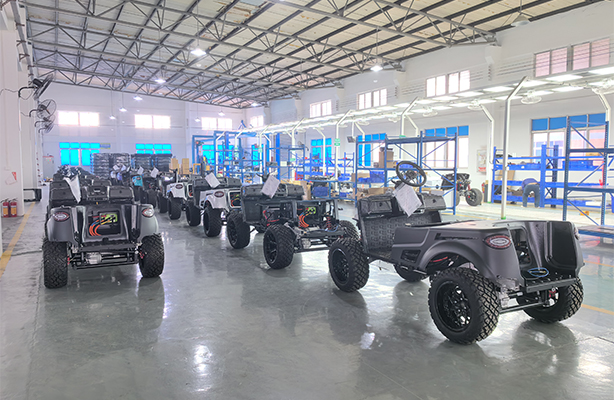
At XXCART, we recognize that procurement managers need reliable global partners with consistent delivery timelines. Our global footprint covers major markets including the USA, Canada, Italy, Belgium, Ireland, Norway, Sweden, Spain, Brazil, and regions across the Middle East and Southeast Asia.
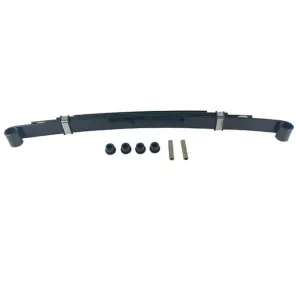
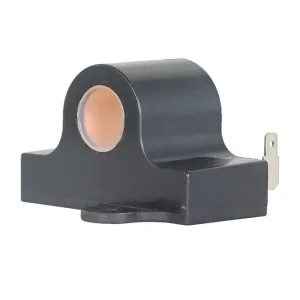
We work closely with clients to share market insights and co-develop products tailored to local needs. Whether supplying heavy-duty leaf springs to withstand high humidity in coastal resorts or providing replacement electronic parts like inductive throttle sensors to meet strict municipal compliance standards, we help fleets stay operational and profitable.
In addition, our technical team is available to assist with integration challenges, troubleshoot mechanical issues, or optimize fleet maintenance schedules.
As utility vehicles shift toward autonomous operation and smart energy management, the components supporting them must evolve. XXCART is actively investing in technologies to meet these future demands:
Modern campus and resort shuttles are increasingly adopting drive-by-wire and autonomous driving systems. These systems require highly reliable mechanical connections. Our updated steering linkages and drive components are engineered to handle the constant adjustments made by computerized steering units, ensuring safe and reliable operation.
To eliminate downtime from flat tires, our R&D team is evaluating non-pneumatic tire (NPT) designs. These airless tires use flexible polyurethane spokes to absorb shocks, providing the ride comfort of a pneumatic tire without the risk of punctures.
By embedding RFID and temperature-pressure sensors directly into tire casings and hub assemblies, fleet operators can monitor real-time temperature, wear, and load distribution. This transition to predictive maintenance helps prevent on-route failures and extends the lifespan of fleet assets.
Professional answers to common technical, compliance, and purchasing inquiries.
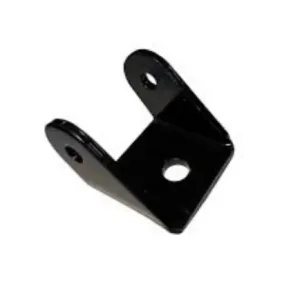
High-durability mechanical linkages, electrical interfaces, and chassis components built for long-term service reliability.
 XXCART