Explore our certified industrial grade assemblies, drive systems, electrical components, and heavy-duty mechanical solutions engineered to meet the highest safety standards.
Analyzing macro market shifts, international regulatory frameworks, and engineering compliance dynamics.
The global low-speed electric vehicle (LSEV) and golf car industries are undergoing a massive paradigm shift. Once limited to manicured golf courses, these versatile vehicles are now widely deployed across master-planned residential communities, airports, military installations, resorts, and industrial complexes. At the core of this transition is the demand for robust, highly reliable structural parts. Among these, the wheel system is one of the most critical structural nodes, dictating vehicle load-bearing capacity, steering precision, dynamics, and overall passenger safety.
As global urbanization progresses and green micro-mobility initiatives gain momentum, golf car manufacturing must conform to stringent mechanical validation processes. Global sourcing managers and Tier-1 automotive purchasers are shifting focus toward factories capable of providing certified industrial parts. In European jurisdictions and globally integrated markets, CE Certification is not merely a regulatory tag; it serves as proof of compliance with rigorous mechanical tests, environmental directives, and safety guidelines.
"A wheel system is the primary component that absorbs dynamic road stress. When utilizing golf cars for passenger transit, utility services, or light industrial transport, selecting CE-certified assemblies guarantees compliance with the EU's Machinery Directive 2006/42/EC, reducing mechanical failure risk to near zero."
Our manufacturing operations bridge the gap between high-precision casting and rigorous testing protocols. As an industry-leading OEM/ODM partner, we focus on material density, heat treatment, and surface protection to ensure our wheels resist stress cracks, structural deformation, and environmental corrosion. This level of quality control is essential for modern high-performance fleets operating in challenging environments, such as seaside resorts exposed to high salinity or heavy industrial plants navigating rough pavement.
A closer look at how alloy purity, structural testing, and production methods impact wheel performance.
Standard steel wheels offer basic structural function but fail to meet the performance criteria needed for high-speed or heavy-load utility vehicles. Modern electric golf carts rely on advanced A356 aluminum alloy, heat-treated to a T6 temper status. This specific alloy choice provides an optimal strength-to-weight ratio, lowering the unsprung mass of the vehicle.
Reduced unsprung mass directly benefits electric drivetrains: it minimizes rotational inertia, reduces battery power draw during acceleration, and extends the overall operating range per charge cycle. Additionally, the improved thermal conductivity of aluminum alloy helps dissipate heat from brake drums or disc assemblies, protecting wheel seals and keeping brake pads within their optimal temperature window.
| Performance Metric | A356.2 Aluminum Alloy (T6 Treated) | Standard Q235 Carbon Steel | Industrial Benefit |
|---|---|---|---|
| Tensile Strength (MPa) | ≥ 250 MPa | ≥ 370 MPa | High resistance to structural deformation under impact. |
| Yield Strength (MPa) | ≥ 180 MPa | ≥ 235 MPa | Maintains shape under heavy load cycles. |
| Weight Reduction Index | 35% - 45% Lighter | Baseline (Heavy) | Increases battery range and preserves tire longevity. |
| Corrosion Resistance | Excellent (Al2O3 Passive Layer) | Poor (Requires heavy coating) | Long service life in marine, coastal, and chemical environments. |
| Dynamic Runout Precision | ≤ 0.3 mm | ≤ 1.2 mm | Smoother ride at high speeds; reduces steering assembly wear. |
Every wheel design manufactured in our facilities undergoes strict validation protocols to meet international standards. These quality control steps ensure our products meet or exceed the performance of OEM replacement parts from Club Car, E-Z-GO, and Yamaha:
Simulates long-term road stress. The wheel is pressed against a rotating drum under high load for over 500,000 cycles to confirm no micro-fractures develop in the spokes or barrel.
Applies a bending moment to the mounting face. This simulates high-speed cornering under maximum passenger weight, verifying the hub section remains secure and crack-free.
Determines chemical composition prior to casting. This ensures zero iron contamination, preventing internal vulnerabilities that could cause structural failure.
Strategic production capacities and international distribution networks driving the green mobility sector.
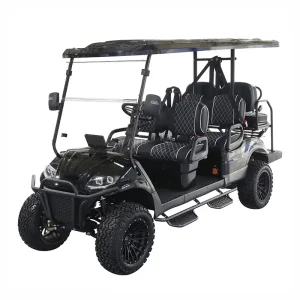
XXCART INC is a leading manufacturer of electric golf carts, specialized components, and wheel assemblies. By incorporating design elements from major brands like EZ-GO, Club Car, and Yamaha, we create high-performance vehicles and parts that meet the technical standards of imported models. Our injection-molded body panels utilize premium PP engineering materials, delivering durability, aesthetic appeal, and impact resistance.
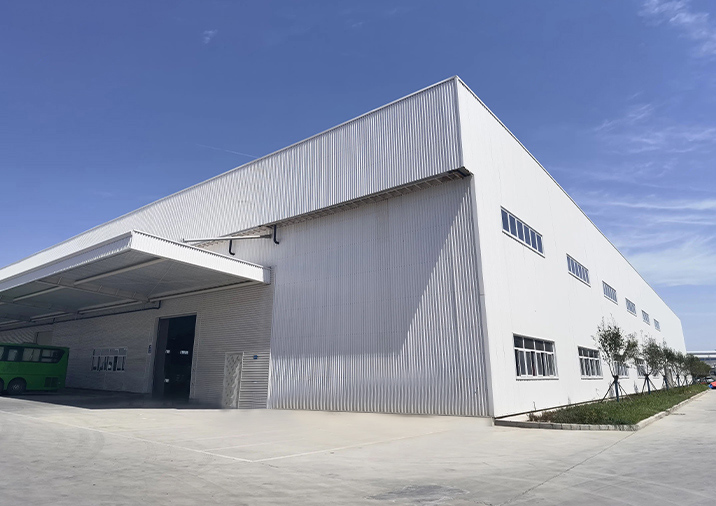
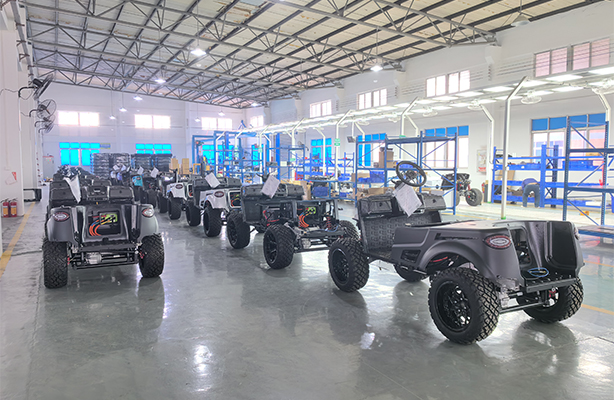
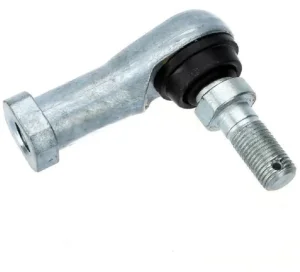
Our manufacturing plant uses robotic welding lines, automated liquid painting systems, and CNC machining centers to produce high-precision wheels, suspension mounts, and mechanical linkages. This modern infrastructure allows us to maintain tight tolerances and consistent product quality across all production runs.
"We provide comprehensive before-sale and after-sale support. For complex installations or field issues, we can dispatch engineers directly to customer facilities to deliver on-site technical support."
Tailoring wheel performance, tire integration, and structural designs to specific regional demands.
Operating environments for low-speed electric vehicles vary significantly by geography. Wheel and suspension components must be configured to withstand the local environmental conditions and usage patterns of each target market:
Environmental Stress: High atmospheric salinity, moisture, and sand exposure lead to rapid corrosion.
Technical Solution: Aluminum alloy wheels with clear-coat finishes and marine-grade protective layers. These wheels resist oxidation and structural pitting, preserving both look and strength.
Environmental Stress: Constant stopping and starting on hard surfaces like concrete and asphalt.
Technical Solution: Lightweight, street-legal wheels paired with low-profile tires. These reduce steering resistance and power consumption, helping vehicles squeeze more range out of standard battery charges.
Environmental Stress: Heavy cargo loads, flat surfaces with potential debris, and continuous, multi-shift operation.
Technical Solution: Reinforced steel or heavy-gauge alloy wheels built to support high weight limits. These are designed with thicker bead seats to prevent tire bead slippage during heavy hauling.
Our international shipping footprint spans across North America (USA, Canada), Europe (Italy, Belgium, Bulgaria, Ireland, Austria, Norway, Sweden, Denmark, Finland, France, Spain), South America (Brazil), and major tourist hubs (Mauritius, Maldives, Thailand, Philippines).
By working closely with regional distributors, we share brand development insights and collaborate on custom product releases. We offer flexible design adjustments, including custom bolt patterns, offsets, hub bore sizes, and color finishes, to help buyers align with localized market expectations and regulatory rules.
The evolution of golf car wheels: from simple mechanical structures to smart, integrated hub assemblies.
The next generation of golf car wheel design focuses on material efficiency, electric drivetrain optimization, and integrated smart features. As vehicles transition toward autonomous operation, wheel systems must evolve to support these new capabilities:
Addressing common technical, certification, and procurement questions from industrial buyers and fleet operators.
CE certification indicates that the component conforms to European safety, health, and environmental protection standards. For wheels, it verifies that the design has passed structural fatigue tests and dynamic load evaluations, ensuring the wheel can safely handle operational stresses.
Our products match standard OEM bolt patterns (such as 4x4 inches or 101.6 mm) and align with offset requirements for classic Club Car DS, Precedent, and EZGO TXT models. This allows for direct installation without modifying the stock suspension or brake drum assemblies.
We apply a multi-stage finish that includes a powder-coated primer, color paint layer, and a clear protective clear coat. For coastal environments, we also offer an optional electrocoating layer that passes standard 1,000-hour salt spray tests.
Yes. Our ODM services include developing custom tooling to adjust wheel widths, diameters, and offsets. This ensures proper fender clearance and steering geometry on lifted utility vehicles and off-road carts.
Standard product orders ship within 15 to 25 days. For custom OEM/ODM designs requiring new casting molds, development takes 35 to 45 days, which includes CAD design approval, initial sample casting, and lab stress testing.
Review our certified vehicle parts, electrical replacement components, and control systems designed for fleet maintenance and vehicle assembly lines.
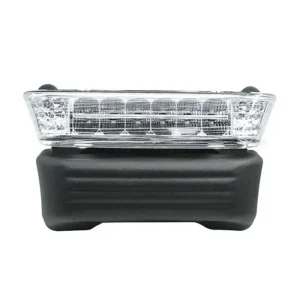
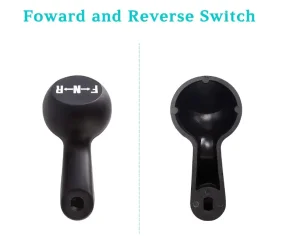
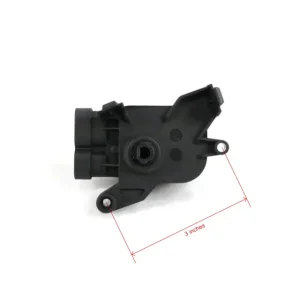
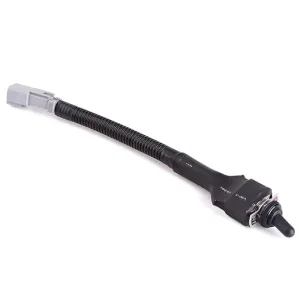
Partner with XXCART INC to access high-quality replacement parts, custom configurations, and engineering support for your fleet.
 XXCART