 XXCART



Deep Technical Integration & Engineering Excellence
In modern industrial logistics, institutional operations, and resort transport systems, the efficiency of utility vehicle fleets is tightly coupled with charging system performance. An Ez Go Battery Charger is not merely an accessory; it is a critical node in an enterprise’s logistical infrastructure. As global fleets transition toward higher energy densities, the demand for CE-certified charging technology has escalated from a compliance check box to a strategic operational imperative.
Industrial charging environments subject hardware to thermal stress, voltage fluctuations, and high cycles. Inadequate charging topologies accelerate battery grid corrosion, active material shedding, and thermal runaway, directly reducing battery life and increasing fleet operating costs. Our CE-certified smart chargers use a multi-stage resonant charging profile that optimizes energy absorption, manages thermal buildup, and extends lead-acid and lithium-iron-phosphate (LFP) pack lifespans.
Precision Micro-Control Systems
Integrated microprocessors dynamically assess battery internal resistance, state of charge (SoC), and temperature parameters, adjusting power output to prevent overheating and overcharging.
Industrial Protection Shielding
Equipped with intelligent protection against reverse polarity, output short-circuits, overcurrent, and voltage surges. Enclosures utilize high-grade, impact-resistant thermal polymers for reliable operation in demanding environments.
Optimized Power Factor Correction
Advanced PFC designs improve electrical system efficiency, reducing apparent power demand from the local utility grid. This lowers installation and peak power costs for large commercial fleets.
Customized OEM/ODM Services & Materials Science
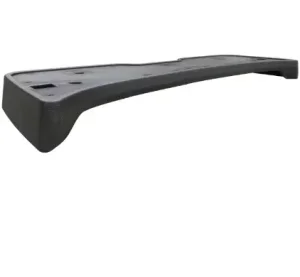
Our commitment to quality extends from internal power electronics to external structural materials. Vehicle cover parts are engineered using special automotive-grade PP (polypropylene) engineering materials. This high-performance polymer features exceptional impact resistance, color retention, and chemical stability, allowing vehicles and accessories to withstand rugged conditions in golf courses, airports, and industrial complexes.
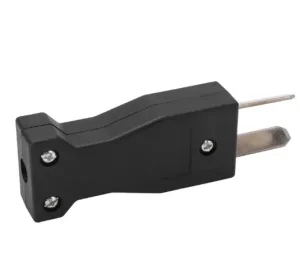
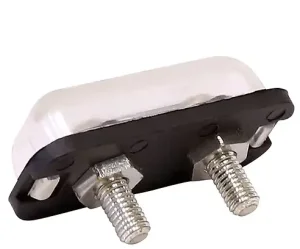
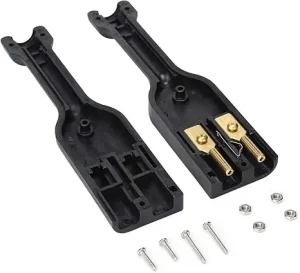
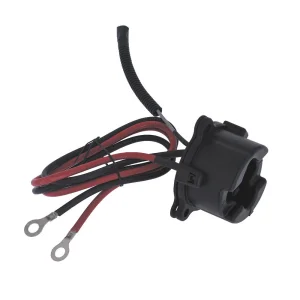
Every charging interface demands precise mechanical mating. The durability of system components—such as our OEM EZGO Charger Handle Plug and 48-Volt Charger Receptacles—is achieved through high-conductivity copper alloys and rugged insulation jackets. This minimizes voltage drop and contact resistance, ensuring safe power transmission over thousands of insertion cycles.
Macro Market Insights: B2B Procurement and Fleet Requirements
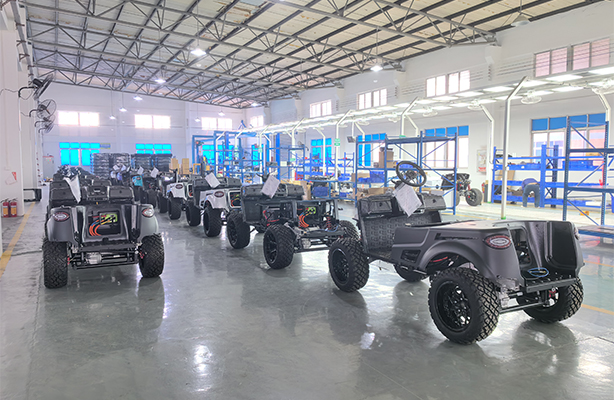
Global procurement managers are prioritizing standardization across multi-brand utility vehicle fleets. In large-scale warehousing, hospitality, and residential properties, operations often run a mixed fleet of Club Car, EZ-GO, and Yamaha utility vehicles. Sourcing components from a supplier capable of integrating all three major architectures simplifies supply chains and reduces administrative overhead.
Furthermore, local environmental regulations and commercial energy policies require charging systems with proven compliance profiles. Achieving CE Certification ensures that charging infrastructure conforms to European safety, health, and environmental protection standards. This validation is highly valued by purchasing agents in major markets, including Germany, the Nordics, France, and Spain, where regulatory alignment is mandatory for commercial use.
Technical Roadmap & Future Outlook
As the global utility vehicle market shifts toward high-power lithium batteries, we are investing in advanced charging solutions. Our technical roadmap focuses on three key areas:
- Smart IoT Connectivity: Integrating Wi-Fi and Bluetooth telemetry to allow facility managers to monitor fleet state of charge and battery health remotely.
- Bidirectional Charging (V2G): Researching vehicle-to-grid power flows to enable fleets to feed power back into facility grids during peak demand, reducing overall utility costs.
- High-Frequency Conversion: Utilizing Gallium Nitride (GaN) and Silicon Carbide (SiC) semiconductors to create smaller, lighter, and more efficient chargers.