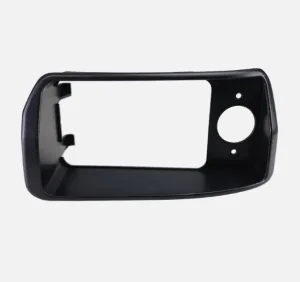
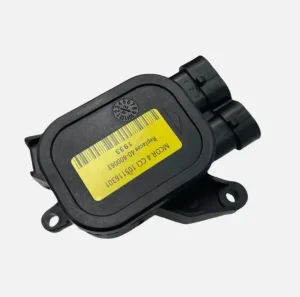
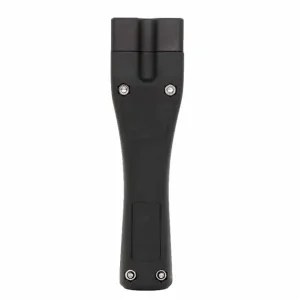
In the global fleet logistics and utility vehicle market, the structural integrity of electric golf carts represents a critical focal point for facility managers, logistics companies, and resort owners. Within this context, the EZGO Battery Tray is far more than a simple structural container; it is a vital load-bearing and chemical-containment unit that directly impacts the safety, reliability, and lifespan of electric vehicle fleets. In traditional electric utility vehicles powered by heavy lead-acid batteries, the tray must continuously withstand intense mechanical loads, dynamic vibrational stress during transit, and highly corrosive acid exposures.
As golf carts transition from simple golf course operations to intensive industrial, commercial, municipal, and multi-passenger resort transportation, the demands placed on these structural trays have scaled exponentially. Industrial environments demand battery trays that resist structural warping, mechanical fatigue, and galvanic corrosion. Understanding the critical manufacturing requirements of these assemblies is essential for global procurement departments seeking to minimize lifetime fleet maintenance costs and protect valuable battery packs—whether traditional lead-acid or modern lithium-ion conversions.
The global demand for EZGO battery trays has experienced substantial growth, driven heavily by fleet electrification initiatives across North America, Europe, and the Asia-Pacific region. Fleet managers are increasingly aware that purchasing sub-standard battery trays leads to premature frame deterioration. When a battery tray rusts or warps, highly corrosive battery acids can leak directly onto the vehicle’s main chassis, causing catastrophic frame failures that cost thousands of dollars to remediate.
Additionally, with the rapid adoption of lithium-ion conversions in old EZGO TXT and RXV models, the requirement for adaptive, high-stability battery trays has surged. Global business operations cannot afford downtime; they require standardized, drop-in replacement trays that align with strict OEM tolerances. Choosing the right manufacturing partner ensures that these components are built with premium materials designed to withstand decades of heavy-duty operation.
Selecting the optimal material and fabrication process is a foundational step in manufacturing high-performance EZGO battery trays. High-quality factories must differentiate their offerings by utilizing advanced materials that mitigate the primary failure modes of battery storage systems: electrochemical oxidation, vibrational fracturing, and environmental wear.
Utilizing advanced thermoplastic formulations like PP (polypropylene) and high-density polyethylene, or utilizing cold-rolled steel coated with thermoplastic powder coatings. This ensures maximum protection against sulfuric acid leaks and high-humidity environments.
Advanced design simulations, including Finite Element Analysis (FEA), ensure that the tray's ribbing and support columns can bear up to 400 lbs of dynamic weight under high-impact conditions, preventing structural sagging over long service lives.
By employing high-accuracy robotic injection molding and laser-guided steel metal fabrication, products are held to tolerances within ±0.5mm, ensuring a perfect drop-in fit with OEM chassis mounting configurations.
In the global supply chain landscape, China's advanced manufacturing infrastructure offers unparalleled advantages for sourcing industrial-grade golf cart components. Leading manufacturers leverage highly integrated ecosystems that reduce raw material sourcing times, optimize tooling pipelines, and lower overall production costs. This cluster effect translates to extreme efficiency, allowing for rapid prototype iterations and massive scalable production output that western factories struggle to match.
In addition to raw speed, modern Chinese factories utilize automated robotic welding lines, CNC multi-axis stamping machinery, and computer-controlled plastic injection molding systems. This high degree of automation ensures that every single batch of EZGO battery trays matches exact specifications, minimizing defective rates to parts-per-million levels. For international buyers, this equates to lower import risks, consistent product reliability, and significant cost savings that can be passed down to regional distribution partners.
The operational environment of a golf cart dictates the mechanical stress and corrosion factors its battery tray will face. High-quality EZGO battery trays must be engineered to perform flawlessly across a diverse spectrum of localized microclimates and commercial environments:
Marine atmospheres accelerate oxidation. Stainless steel or rotomolded plastic EZGO battery trays prevent salt-air moisture from starting structural rust, keeping the vehicle's structural frame fully intact over long periods of coastal service.
In multi-shift warehouse environments, vehicles cross uneven surfaces, transitions, and loading docks continuously. Impact-resistant plastic and heavy-gauge reinforced steel trays absorb high vibrational shocks, keeping batteries secure.
Retrofitting lead-acid golf carts with modern Lithium Iron Phosphate (LiFePO4) packs leaves excess space. Specialized adaptive battery trays act as spacer mounts, offering a perfect, secure fitment for smaller but highly powerful lithium packs.
B2B procurement departments responsible for major fleet purchases must look beyond unit purchase prices. Strategic sourcing requires a thorough evaluation of the Total Cost of Ownership (TCO), lead times, factory certifications, and supply chain logistics. Purchasing cheap aftermarket components often results in higher long-term costs due to shortened lifecycles, frequent replacement requirements, and the risk of collateral damage to related cart assemblies.
When evaluating potential manufacturers, procurement professionals should establish specific criteria to evaluate capability, QA control standards, and raw material validation procedures. A reliable partner should offer documented material testing certifications (showing high chemical resistance and mechanical shear thresholds), strict compliance with ISO quality protocols, and flexible shipping methods to optimize bulk freight logistics.
At XXCART, we understand that distinct commercial clients require customized structural designs. Our in-house engineering team designs and manufactures tooling for customized battery enclosures, modified mounts, and specialized structural frames. Using high-performance automotive-grade PP and reinforced powder-coated steel alloys, we can build custom parts that exceed OEM standards at competitive wholesale pricing.
Send an Inquiry for OEM/ODM Specs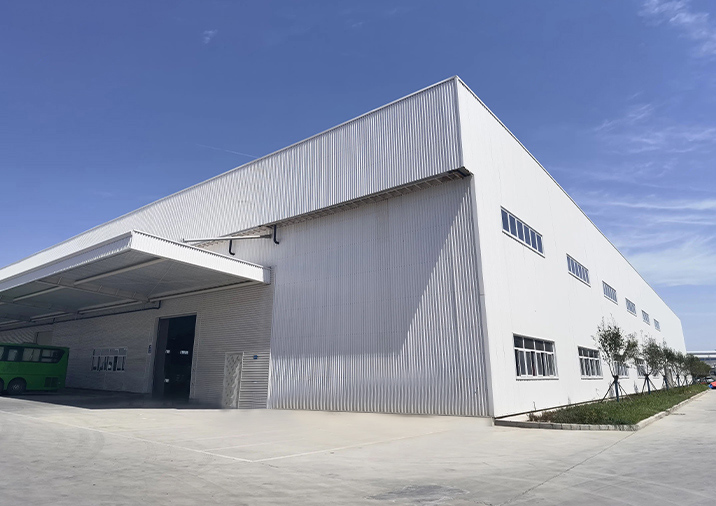
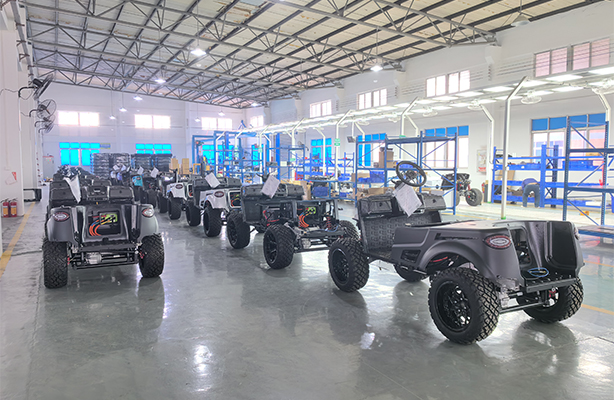
XXCART is a highly established, large-scale manufacturer of electric golf carts and related replacement components, backed by official CE Certification. We specialize in engineering high-end customized vehicles and components, integrating the best mechanical design advantages of EZ-GO, Club Car, and Yamaha. By adopting leading manufacturing technologies, we design, develop, and test our proprietary chassis and accessory lines in strict accordance with international technical standards.
Operating a massive 50,000 square meter factory layout, we have delivered premium parts and customized vehicles to clients in over 100 countries and regions, including the United States, Canada, Italy, Belgium, Norway, Sweden, and Brazil. Our company follows a clear quality philosophy: "Quality first, Customer first," ensuring that we support our global client base with comprehensive pre-sale technical evaluations, engineering support, and reliable post-sale warranties.
As the micro-mobility sector embraces higher power densities, battery tray configurations are shifting away from heavy, passive structures toward smart, thermal-regulating enclosures. Lightweighting is the primary objective; reducing the structural weight of the vehicle allows operators to extend operational ranges and payload capacities. As a result, advanced composite materials and specialized structural plastics are replacing heavy steel alloys in high-end golf cart classes.
Furthermore, the rising popularity of smart battery monitoring systems (BMS) requires new battery compartments to integrate wiring channels, sensors, and structural tie-downs. Modern trays must be designed with built-in drainage paths and impact-damping zones to protect delicate electronic monitoring equipment. Manufacturers who proactively design for these integration trends will lead the market over the next decade.
 XXCART