Premium grade electrical accessories, chargers, and performance-tested spare parts for modern high-use electric vehicle fleets.
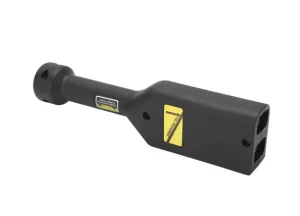

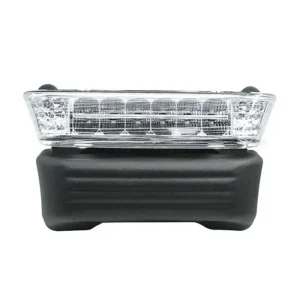
The global electrification of light-duty utility vehicles (LUVs), neighborhood electric vehicles (NEVs), and industrial golf carts has catalyzed a paradigm shift in battery charger requirements. Once relegated to simple passive transformers, modern EZGO battery chargers have evolved into complex, switch-mode power supply (SMPS) systems utilizing high-frequency charging topologies and dynamic microcontroller units (MCUs).
As hospitality nodes, luxury residential developments, industrial warehousing hubs, and modern eco-resorts scale up their light electric fleets, the reliability of charger interfaces becomes a fundamental KPI for overall asset availability. Currently, North America represents the largest consumer marketplace for EZGO golf carts, driven by golf infrastructure and the rapid expansion of gated community transit. Meanwhile, Western Europe is experiencing double-digit compound annual growth rates (CAGR) in utility carts due to stringent zero-emission regulations. Achieving optimal fleet dispatchability requires rugged, smart-charging architectures capable of surviving high-humidity coastal golf courses and heavy industrial vibration.
This industrial analysis acts as a procurement blueprint for supply chain directors, fleet administrators, and high-volume OEM/ODM purchasers seeking to optimize their supply chain metrics and secure the highest quality components from reputable engineering manufacturers.

Why modern EZGO charging systems require advanced electrical interfaces to preserve battery longevity and maximize power conversion efficiency.
Modern switch-mode charging topologies incorporate active PFC architectures to ensure utility power factor ratios exceed 0.98. This minimizes harmonic distortion on local grids and lowers electrical bills for commercial fleet operators with dozens of concurrent charging sessions.
Transitioning automatically through bulk constant current (CC), absorption constant voltage (CV), and float charging cycles protects chemistry layouts. Advanced thermal sensors adjust thresholds dynamically based on environmental ambient temperature readings.
Heavy-duty die-cast aluminum alloys with IP67 ingress ratings prevent dust entry and water immersion. Solid potting compounds absorb mechanical shock, making them suitable for on-board cart integrations in rough-terrain golf configurations.
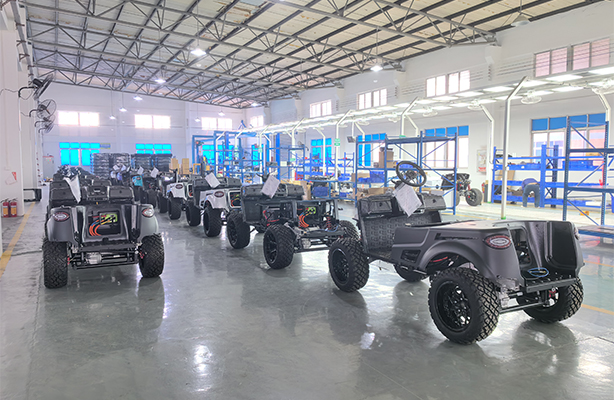
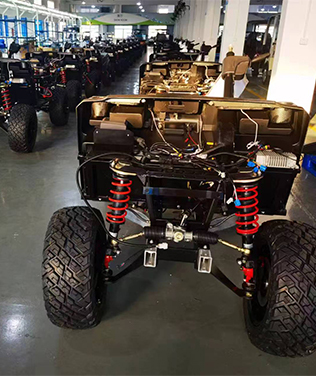
Operating from a state-of-the-art 50,000 m² production facility, XXCART represents the pinnacle of Chinese manufacturing efficiency. With over 21 years of design and manufacturing experience, we synthesize engineering components from industry leaders like Club Car, E-Z-GO, and Yamaha, exporting advanced power systems to over 100 countries and regions worldwide.
By consolidating vertical supply chains inside China's industrial zones, XXCART guarantees a highly competitive Total Cost of Ownership (TCO). Our integrated lines house tooling workshops, automated SMT board placement machines, robotized wire harness routing, and computerized quality diagnostic testing. This system delivers high-precision tolerances and robust designs that meet or exceed OEM specifications.
Whether you require customized plug styles (including the ubiquitous OEM Powerwise Charger Plug or Yamaha Replacement Plugs), specific logo branding, or custom charging profiles for lead-acid/lithium-ion configurations, our ODM/OEM specialists deliver high-performance solutions quickly and efficiently.
B2B purchasers must map battery charging systems to specific local environments and workloads. A resort fleet in Miami, Florida requires different protection parameters than an underground logistics depot in Munich, Germany:
Global Procurement Standards: Large-scale buyers prioritize safety certifications. Every charger should have CE Certification or equivalent UL approval to limit liability, ensure property protection, and guarantee high-efficiency operation.
A guide for procurement officers evaluating potential long-term suppliers of electrical vehicle parts and charging components.
Key technological developments transforming golf cart management and B2B energy supply chains.
Modern fleets are adopting cloud-connected battery chargers. Integrated IoT modules transmit real-time data on battery health, charge state, and temperature to a central platform, allowing managers to address battery degradation before a vehicle fails in the field.
The industry is moving quickly from lead-acid batteries to Lithium Iron Phosphate (LiFePO4). Sourcing managers must purchase chargers with CC/CV curves designed for lithium chemistry to avoid activating battery management system (BMS) auto-shutdown features.
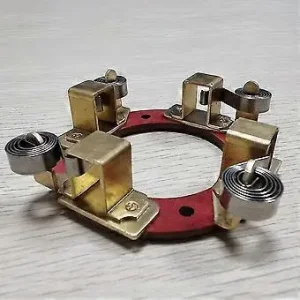
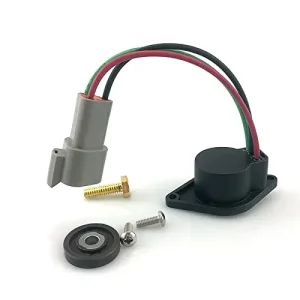
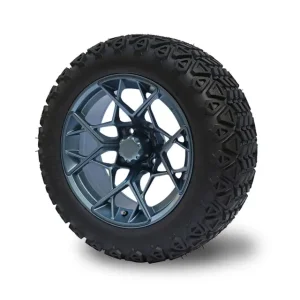
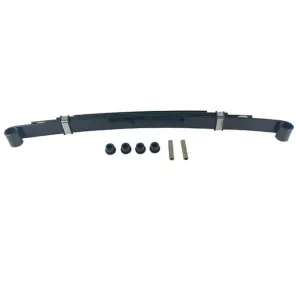
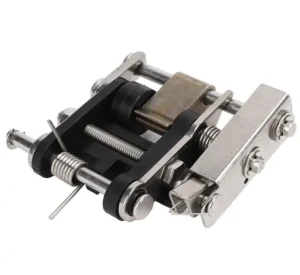
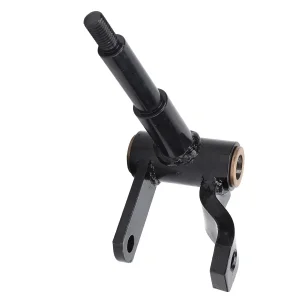
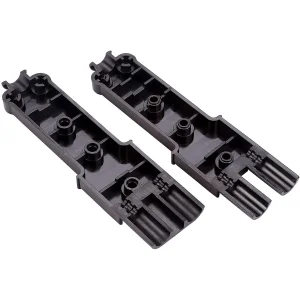
Fully compliant mechanical and electrical components designed for professional cart repair, restoration, and upgrades.
In-depth answers to common technical, electrical, and procurement questions from fleet operators and engineering purchasers.
 XXCART