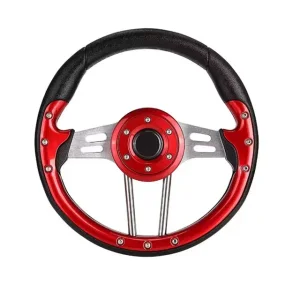
Explore our premium product portfolio certified for global heavy-duty applications, designed to work seamlessly with advanced charging solutions.
In the rapidly expanding market of electric commercial vehicles, airport logistics, resort transportation, and golf course management, the reliability of utility electric vehicles is paramount. As power demands increase, selecting the correct Club Car charger manufacturer and supplier is no longer a simple aftermarket purchasing decision—it is a critical engineering requirement that governs fleet uptime, battery lifespan, and overall operational efficiency.
Historically, the electric golf cart industry relied on transformer-based ferroresonant chargers. These heavy, unregulated units delivered charge profiles that fluctuated based on line voltage variability, causing thermal stress, excessive water loss, and sulfation in standard Lead-Acid batteries.
The integration of On-Board Computers (OBC) in Club Car models, such as the classic Precedent and DS models, introduced a regulated charging sequence. Modern systems have evolved towards smart, high-frequency chargers featuring Microcontroller Units (MCU) and high-efficiency switching topologies. These devices communicate with the vehicle system, bypassing or upgrading legacy OBC structures to enable precise multi-stage charging algorithms.
Modern high-frequency chargers utilize active PFC (>0.99) to optimize AC grid consumption and minimize utility grid interference, leading to substantial energy cost savings in large-scale fleet depots.
Different chemistries—whether Flooded Lead-Acid, AGM, Gel, or Lithium-Ion (LiFePO4)—demand dedicated curves. Intelligent OEM manufacturers provide switchable curves via hardware keys or Bluetooth applications.
Golf environments and industrial sites present high dust and moisture challenges. Solid state cooling, together with IP66 or IP67 ingress protection ratings, ensures the electronic system survives corrosive battery gases and damp storage yards.
B2B buyers, fleet administrators, and distributors must evaluate critical engineering properties when selecting manufacturing partners. Cheap chargers fail to manage heat efficiently, resulting in accelerated thermal degradation of both the battery bank and the charger components. This leads to early battery replacements, safety risks, and increased operational costs.
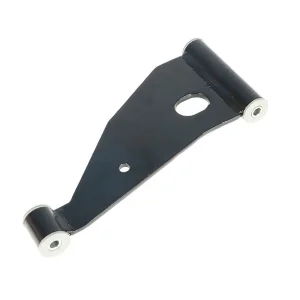
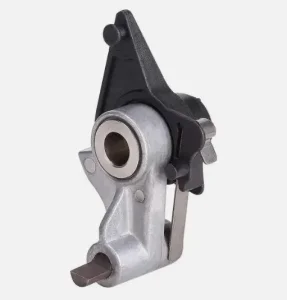
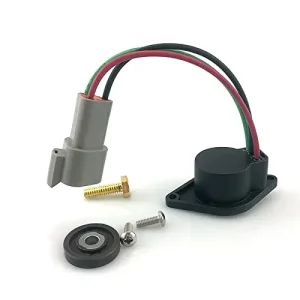
Furthermore, modern high-performance electric carts, such as those with specialized custom systems engineered by XXCART, demand precision integration. Dynamic components, such as high-speed ADC speed sensors, delta control arms, and electromagnetic park brakes, draw stable power from well-charged battery arrays. A fluctuation in the charging system could compromise the reliability of these critical mechanical and electronic systems.
A B2B manufacturer delivering high-end customized vehicles and integrated electrical systems for over two decades.
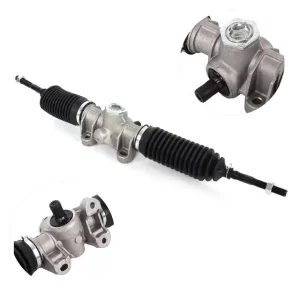
XXCART is a large and powerful manufacturer of electric golf carts and specialized transportation vehicles. By integrating the technical advantages of global industry leaders like EZ-GO, Club Car, and Yamaha, and adopting advanced electric drivetrain technologies, we have researched and developed our own vehicle series designed in accordance with rigorous international technical standards. Our expertise spans heavy-duty structural engineering, precision steering, suspension systems, and electronic charging system configurations.

Cover parts are made out of special PP automobile engineering material, which is featured with fashion, beauty, and great durability. These cars are equipped with unique and individual operation systems, agile and smooth steering systems, and independent suspension systems. Our engineering capabilities enable us to customize vehicle electronic configurations, battery setups, and charge profiles tailored to specific market demands.
Whether your operation requires integrated, heavy-duty on-board charging units or high-power off-board depot charging stations, our engineering division provides tailored solutions designed for demanding duty cycles.
Send B2B Sourcing InquiryXXCART products are designed for global applications. Thanks to our unique styling, excellent quality, and dedicated service, our products are approved by clients and markets worldwide. We maintain long-term partnerships with customers in the USA, Italy, Canada, Belgium, Bulgaria, Ireland, Austria, Norway, Sweden, Denmark, Finland, France, Spain, Brazil, Mauritius, Maldives, Thailand, Philippines, and other regions.
Operating in diverse geographical locations requires strict compliance with local safety regulations. Our components and charging systems are built to meet the standards of major global regulatory frameworks:
Assures buyers in the European Economic Area that charging devices meet essential health, safety, and environmental protection standards.
Ensures electrical systems comply with the strict flame retardancy and isolation requirements of North American testing standards.
Guarantees that no hazardous substances are used in our electronics manufacturing, supporting ecological preservation and user safety.
Standing on the mountain peak, we can see the farther world. We design and develop numerous parts, and control the tooling and manufacturing operations for most of our items. This allows us to provide consistently high-quality products at competitive prices. Our primary OEM parts support Club Car, E-Z-GO, and Yamaha configurations. At XXCART, we are proud to offer functional parts that meet or exceed the performance of OEM replacement parts and accessories.
We are dedicated to providing excellent pre-sale and after-sale support. If technical challenges arise in the field, our team is prepared to deploy field engineers to troubleshoot, optimize, and support client operations directly.
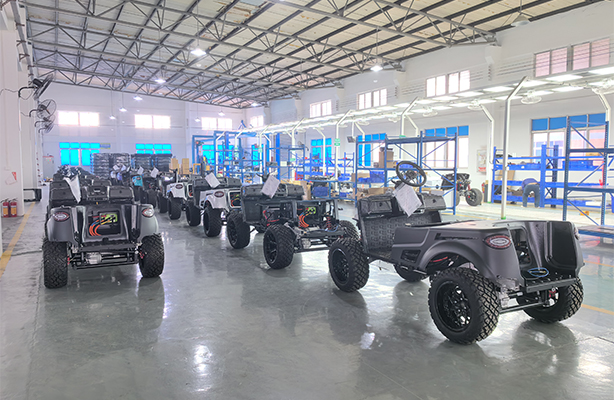
As global transit fleets transition toward sustainable power, charger technologies are evolving rapidly. Sourcing agents should plan for future fleet compatibility by examining these emerging technologies:
Future fleets will rely on cloud-connected chargers. Real-time logging of state-of-health, charge history, and diagnostic codes allows managers to perform predictive maintenance and avoid unexpected downtime.
Lithium conversions require direct CAN-Bus communication between the Battery Management System (BMS) and the charger. This ensures real-time current regulation based on battery temperature, voltage, and state-of-charge.
As golf courses and commercial parks adopt microgrid solar systems, fleet vehicles can act as distributed energy storage resources, sending power back to the grid during peak demand times.
Critical engineering answers for purchasing officers and technical managers.
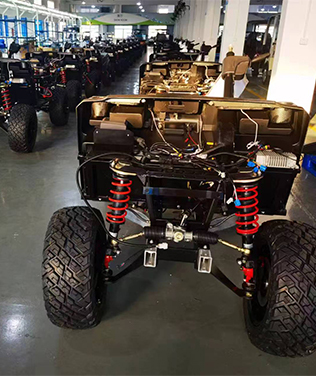
Keep your fleet in peak operating condition with high-precision components designed to work alongside your battery charging systems.
 XXCART