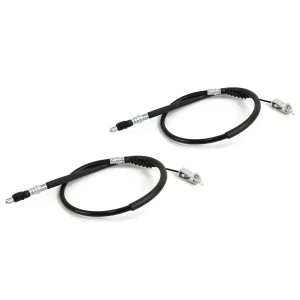
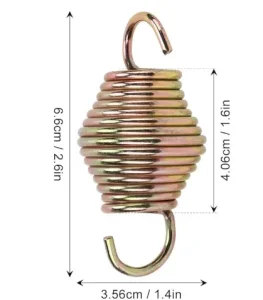
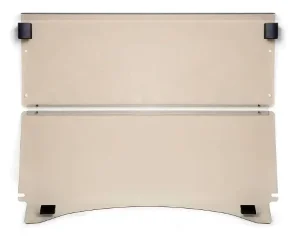
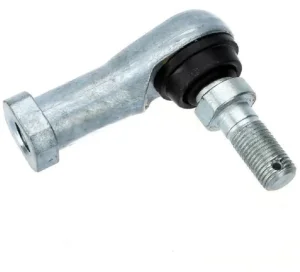
High-quality replacement assemblies, safety fuses, and OEM structural parts engineered to exceed standard vehicle specifications.
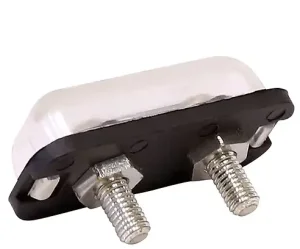
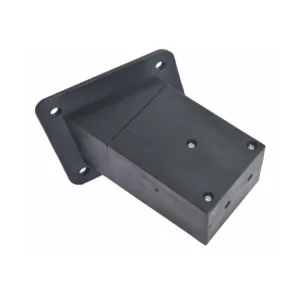
XXCART INC is a large-scale, high-technology manufacturer of electric golf carts and electronic power systems. Holding international CE and ISO9001 certifications, we specialize in high-end customized vehicles and advanced charging hardware that blend the mechanical and structural advantages of standard-setting brands including EZ-GO, Club Car, and Yamaha.
By utilizing cutting-edge automotive power electronics and material science, we design, develop, and manufacture power conversion components that adhere strictly to global imported car standards. Our structural components feature specialized PP automotive engineering plastics, providing unparalleled aesthetics, aerodynamics, and structural durability.
Send An Inquiry
In commercial fleet management, golf resort operations, and industrial logistics, the vehicle charging infrastructure represents the single most critical point of failure and efficiency. Operating a fleet of Club Car DS or Precedent utility vehicles requires a precise understanding of the Club Car 48v charger ecosystem. Powering these fleets demands high-efficiency chargers capable of delivering correct voltage curves, thermal regulation, and reliable float-charging states to maximize lead-acid or lithium battery lifespans.
This guide analyzes the design parameters of high-performance chargers, explores supply chain advantages of Chinese production hubs, details international compliance requirements, and guides procurement managers on choosing the right OEM partners to reduce Total Cost of Ownership (TCO).
A high-quality 48V charger is not merely a power supply; it is an intelligent battery management interface. Typical systems convert alternating current (AC) from the grid into a regulated direct current (DC) optimized for the specific chemistry of the battery pack.
"Precision engineering in high-frequency power electronics remains the dividing line between high-yield fleet chargers and cheap consumer alternatives."
China's manufacturing hubs provide a unique ecosystem that combines vertical integration, cost-efficiency, and rapid prototyping. For global procurers, partnering with a Chinese supplier offers several competitive advantages:
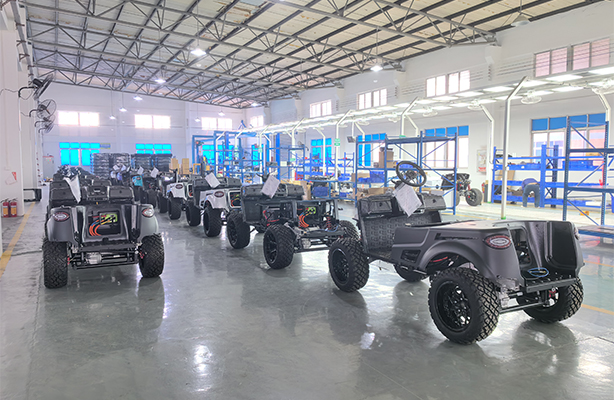
At XXCART, we operate in-house testing facilities containing thermal chambers, vibration tables, and high-voltage test rigs. Every single 48V charger is subjected to full-load burn-in testing for a minimum of 4 hours to eliminate infant mortality rates of electronic components prior to export.
By handling all tooling, component selection, and structural plastic molding in-house, we control costs and guarantee our parts match or exceed standard OEM replacement specifications.
Transporting and operating electrical machinery across borders requires strict adherence to international safety guidelines. When sourcing 48V chargers, checking certifications protects your business from liability and ensures long-term operational safety.
CE Certification: Essential for European markets, CE compliance verifies that electromagnetic interference (EMI) is suppressed and that the unit meets all low-voltage electrical safety standards.
UL (Underwriters Laboratories) & FCC Standards: For US and Canadian markets, UL Listing ensures the charger meets strict fire-safety testing standards. FCC Part 15 compliance guarantees the charger does not interfere with localized radio frequencies, cellular signals, or golf resort tracking systems.
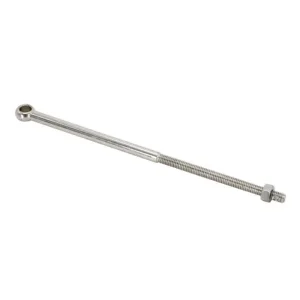
Our components, from the CE Certification Delta Upper Clevis to heavy-duty power cords and chargers, undergo testing to guarantee compatibility, structural strength, and electric insulation under various environmental conditions.
Club Car 48v charging systems operate across diverse environmental and commercial settings. Standard chargers may fail under high-humidity, marine, or extreme temperature conditions, highlighting the need for ruggedized charging equipment.
High-volume golf resorts require quick-turnaround charging systems. With chargers running consecutively day and night, reliability prevents vehicle downtime. Integrated smart controls protect batteries from overcharging during short breaks.
Moisture and salt spray accelerate corrosion of electrical terminals. Our chargers utilize sealed, fanless designs with epoxy-filled compartments to prevent moisture intrusion, ensuring reliability in marine environments.
In heavy industrial environments, utility carts carry heavy loads over long distances. High-frequency 48V chargers deliver fast, stable power to keep materials flowing across warehouse campuses.
The golf vehicle industry is undergoing a transition from traditional flooded lead-acid batteries to lithium iron phosphate (LiFePO4) systems. Sourcing chargers that support multiple chemical configurations helps future-proof fleet operations.
Multi-Voltage Configurable Charge Profiles: Modern chargers allow technicians to switch charge profiles between lead-acid and lithium via USB, Bluetooth, or physical switches. Lithium-ion batteries require a constant current/constant voltage (CC/CV) profile without a float phase, demanding precise voltage control.
IoT Cloud Monitoring: Modern fleets utilize chargers with integrated Bluetooth or Wi-Fi. Fleet managers can monitor charging status, view diagnostics, evaluate battery health, and forecast replacement schedules from a centralized web dashboard.
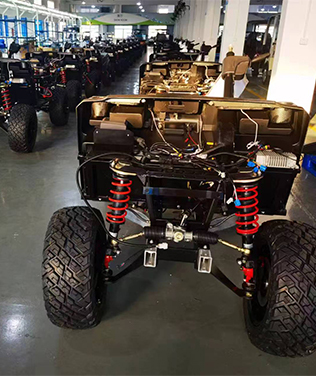
By managing design and manufacturing processes in-house, XXCART ensures that structural panels, dashboards, steering racks, and electric vehicle components meet tight tolerances and high aesthetic standards.
We provide tailored solutions for resorts, industrial parks, and fleet operators worldwide, delivering parts and vehicles configured to local operational demands.
Answers to common technical and logisitcal questions regarding 48V charging systems and fleet maintenance.
High-durability accessories, electrical connectors, and mechanical replacement parts engineered for global fleet maintenance.
 XXCART